Musical Instruments Specs Explained
Plain explanations of musical instruments specs on Wiki Shopping, such as sizes and ratings, and what each one changes when you choose a product.

Saxophone Types: Alto vs Tenor and Beginner Picks
The alto sax is pitched in E flat and the tenor in B flat; Yamaha points beginners to the alto as easier to play, and its fingering carries over to every sax.

Acoustic vs Electric Guitar, Types and Sizes
Acoustic guitars make their sound with a hollow body and electric guitars need an amplifier; size follows the player's reach, and electric is our top type.

Audio Mixer Channels, and Analog vs Digital Mixers
A mixer combines microphones and instruments into one output; count every source you will plug in at once, then add spares, to know how many channels you need.
Brass Mouthpiece Numbers, Explained
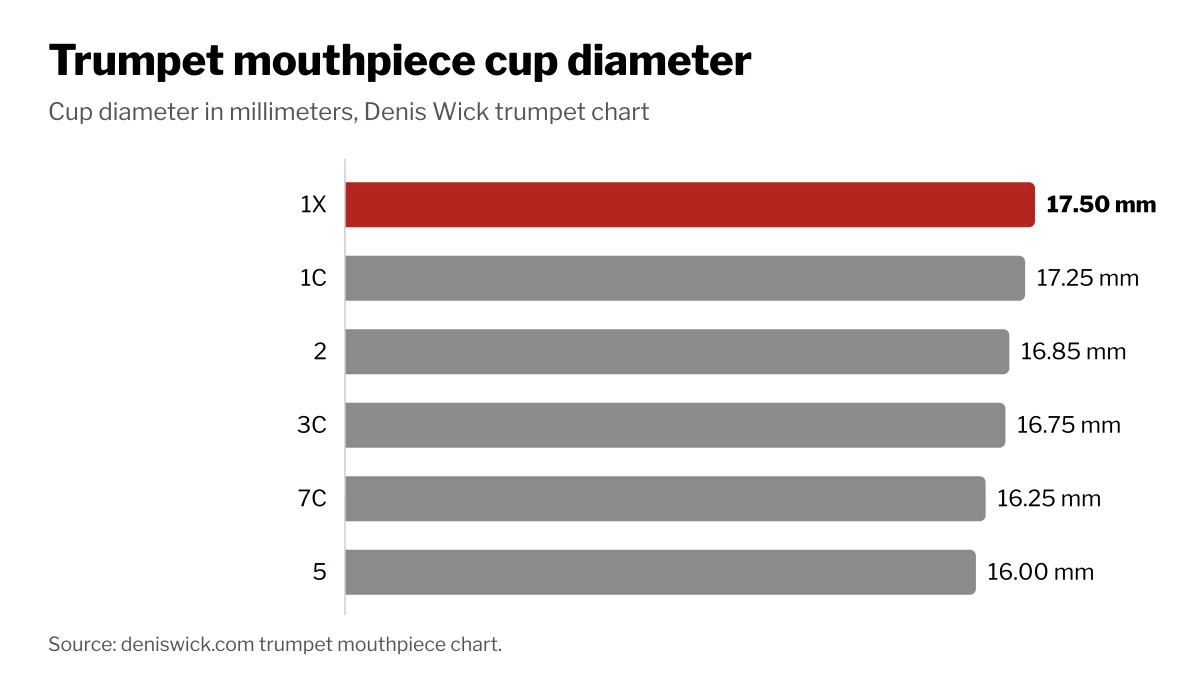
A brass mouthpiece name like 7C pairs a number for cup diameter with a letter for cup depth, but each maker runs its own scale, so read its chart.

Clarinet Basics, Bb vs A, Reed Strength and Materials
The Bb clarinet is the standard instrument for students and bands; reeds run soft to hard on a scale of about 1 to 5, and beginners often start at 2.0 or 2.5.
Digital Piano Keys, Weighted vs Semi-Weighted
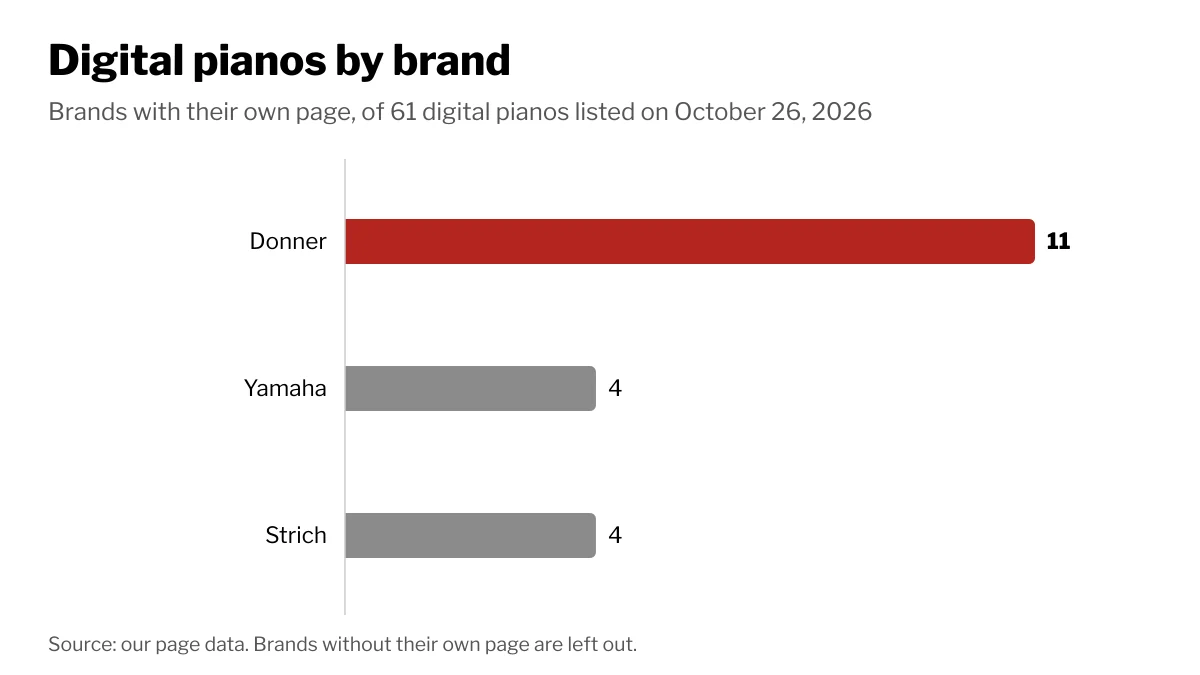
A digital piano has 88 weighted, touch-sensitive keys like an acoustic piano; hammer action copies the feel most closely, and semi-weighted keys feel lighter.

Drumhead Types, Coated vs Clear and Single vs Two-Ply
Coated heads sound warmer and softer, clear heads brighter with more attack; a single-ply head rings longer, while two plies add durability and cut overtones.

Overdrive vs Distortion vs Fuzz, and Pedal Order
Overdrive, distortion and fuzz all clip the guitar signal; overdrive is mildest, fuzz most extreme, and gain pedals go early in a chain, delay and reverb last.

Violin Sizes, Explained
Violin sizes run from 1/16 for small children to 4/4 for adults; pick one by measuring the outstretched arm from the neck to the middle of the palm.