Toys & Games Specs Explained
Plain explanations of toys & games specs on Wiki Shopping, such as sizes and ratings, and what each one changes when you choose a product.

Board Game Player Counts and How to Choose a Game
Start with the player count on the box, then match age, play time, cooperative or competitive play and how heavy a game feels to the people at your table.
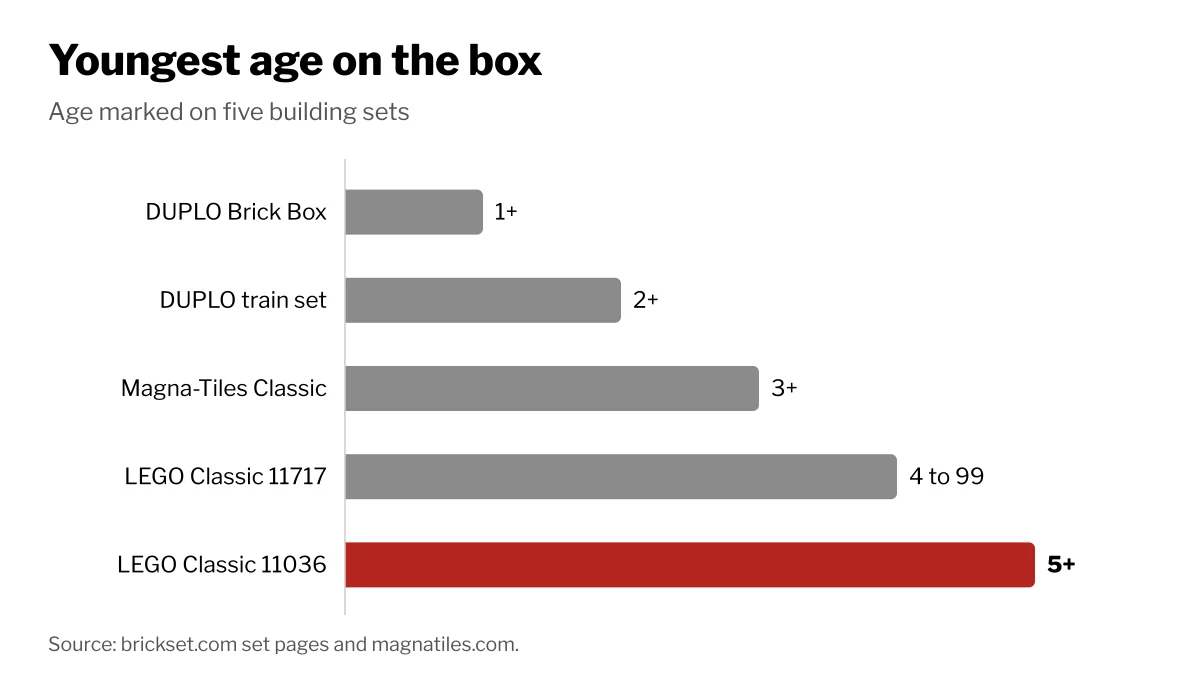
Building Toy Ages: DUPLO vs LEGO vs Magnetic Tiles
Big DUPLO bricks are marked from age 1 or 2, magnetic tiles from 3 and standard LEGO from 4 or 5; the age on the box mostly tracks piece size and small parts.

Kite Types: Wind Speed, Single vs Dual Line
Most single-line kites fly in about 5 to 20 mph of wind, sleds lift off in less, and dual-line stunt kites are steered with two lines and suit older beginners.

Science Kit Ages: What Age Is a Chemistry Set For?
Beginner science kits with kitchen-safe materials start around age 5 or 6, while real chemistry sets are labeled 10 to 12 and up and expect an adult nearby.
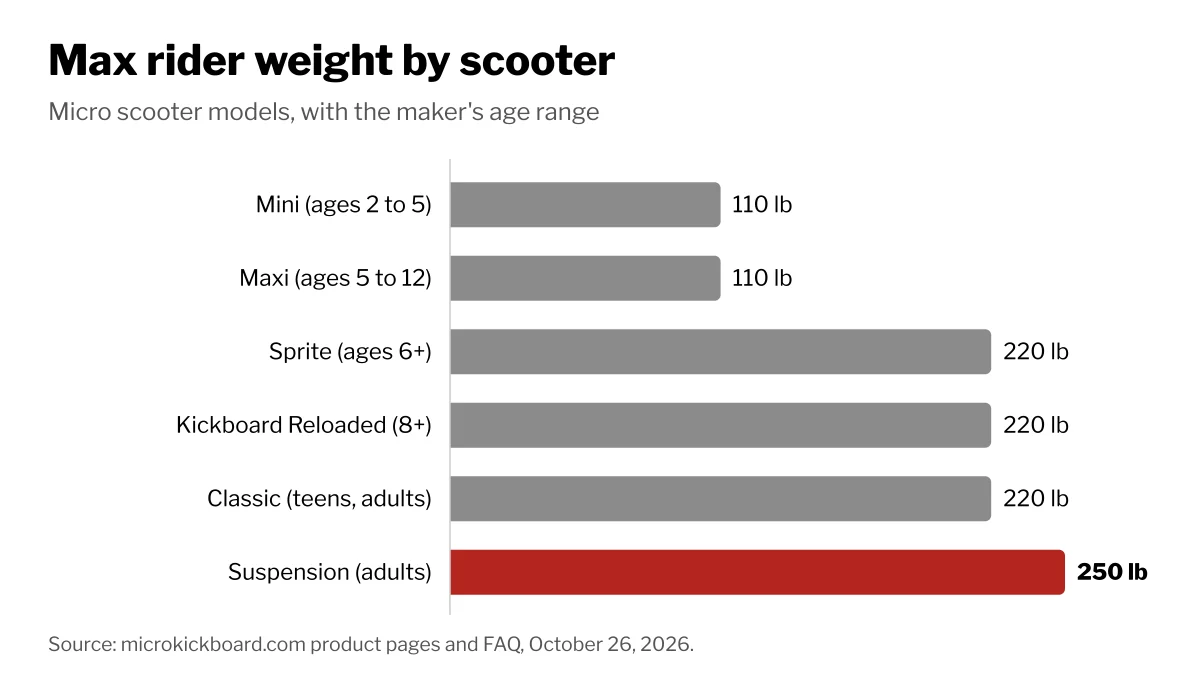
Scooter Types by Age: 3 Wheels vs 2 Wheels
Three-wheel lean-to-steer scooters suit ages 2 to 5, bigger scooters fit school-age kids, and the maker's maximum rider weight matters as much as age.

Swing Set Sizing: Space, Height and Wood vs Metal
A swing set needs clear space in front and behind equal to twice the height of its top bar, plus 6 feet on the sides, so an 8-foot set needs 16 feet each way.

Walkie Talkie Range: How Far They Work, FRS vs GMRS
Box ranges of 16 to 35 miles assume clear line of sight; FRS radios need no license and cap at 2 watts, while GMRS needs an FCC license and allows more.