Baby Products Specs Explained
Plain explanations of baby products specs on Wiki Shopping, such as sizes and ratings, and what each one changes when you choose a product.

Smart Bassinets and Safe Sleep, Explained
A smart bassinet adds motion, sound or an app, but safe sleep rules stay the same; the AAP and CPSC say a flat, bare surface and back sleeping matter.
Baby Bottle Types and Nipple Flow Sizes
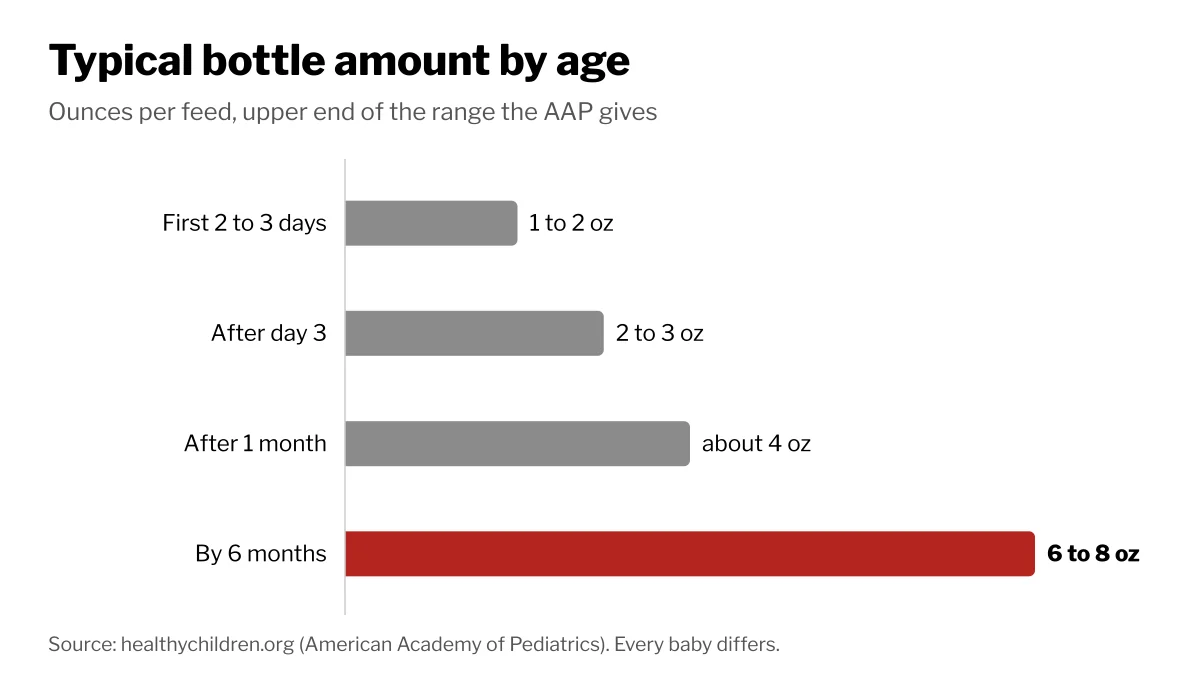
Baby bottles come in plastic, glass, silicone and steel, but nipple flow matters more; move up a level when the baby shows the flow is too slow, not on a date.
Baby Clothing Sizes, From Newborn to 3T
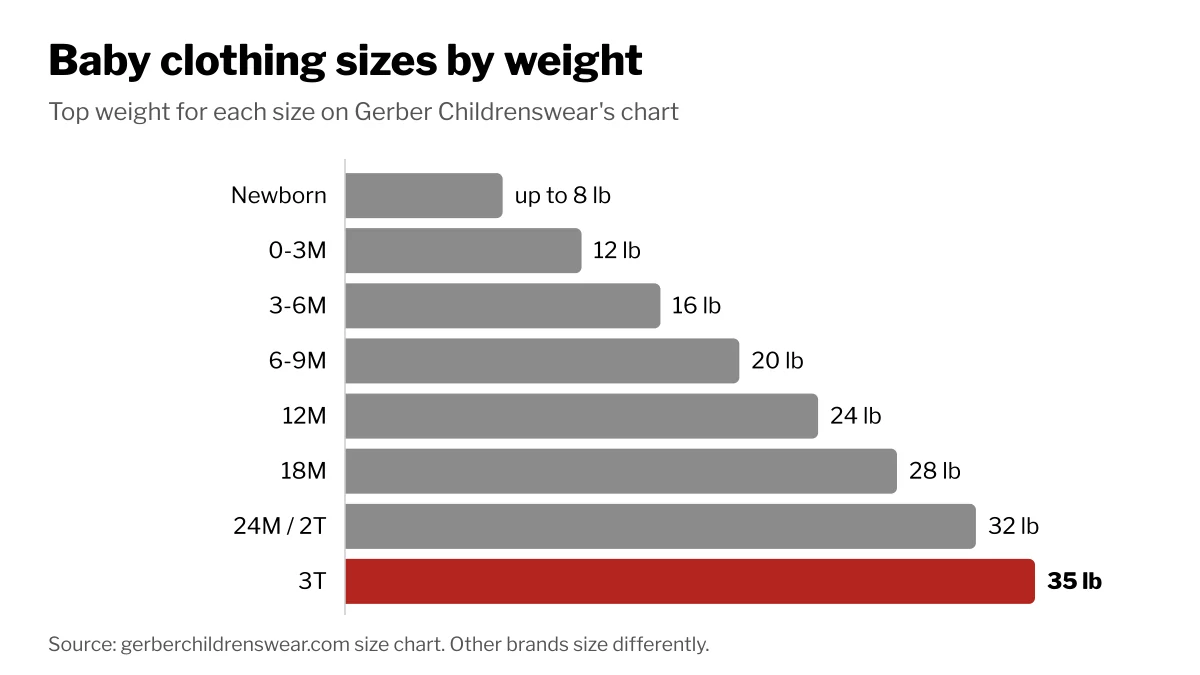
Baby clothes are labeled by age (NB, 0-3M, 12M) but fit by weight and height; newborn size ends around 8 pounds, and the T in 3T means toddler.
Baby Sound Machines, Volume and Placement
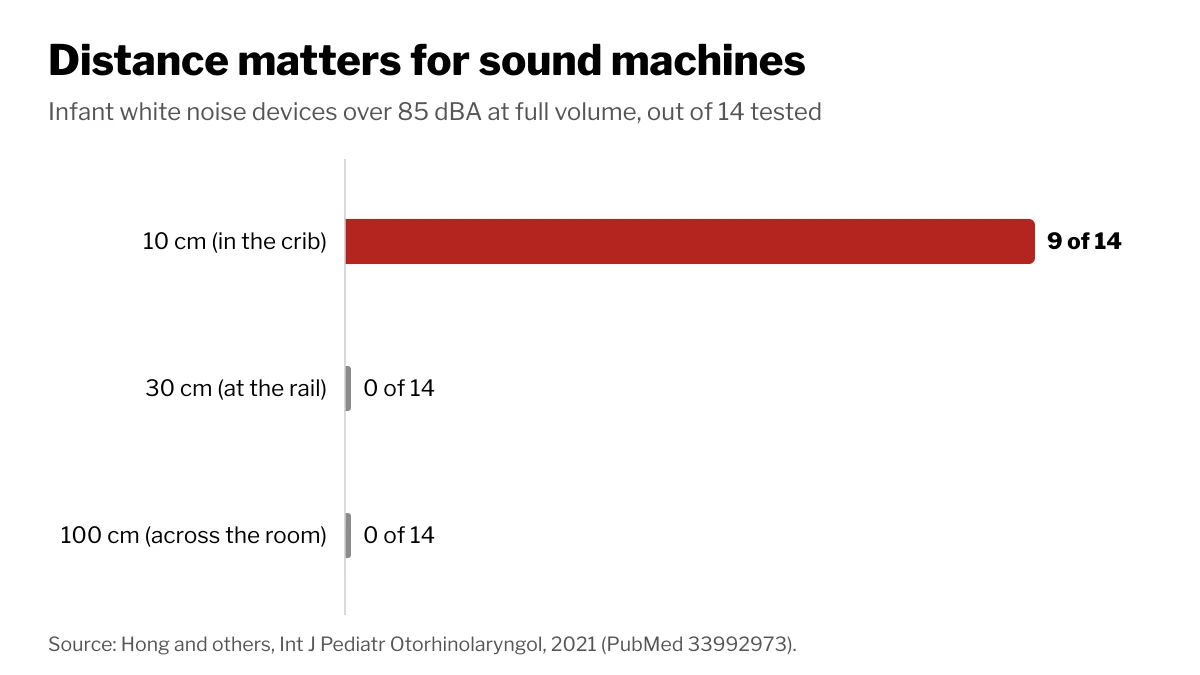
A baby sound machine is optional; if you use one, keep it outside the crib, at least 30 centimeters (about a foot) away, and well below full volume.

Crib Sizes and Mattress Fit, Explained
A full-size crib takes a standard mattress at least 27 1/4 by 51 5/8 inches, a mini crib takes its own smaller one, and the mattress drops before baby can sit.

Highchair vs Booster Seat, and When to Switch
A highchair stands on its own legs for babies who sit upright, a booster straps to a dining chair for older babies and toddlers; switch at the labeled limit.

Playard Basics, Mattress Size and Time Limits
A playard is a portable mesh crib with its own federal standard; use only its mattress, and stop at the labeled height or weight or when the child climbs out.
Stroller Types, From Full-Size to Compact
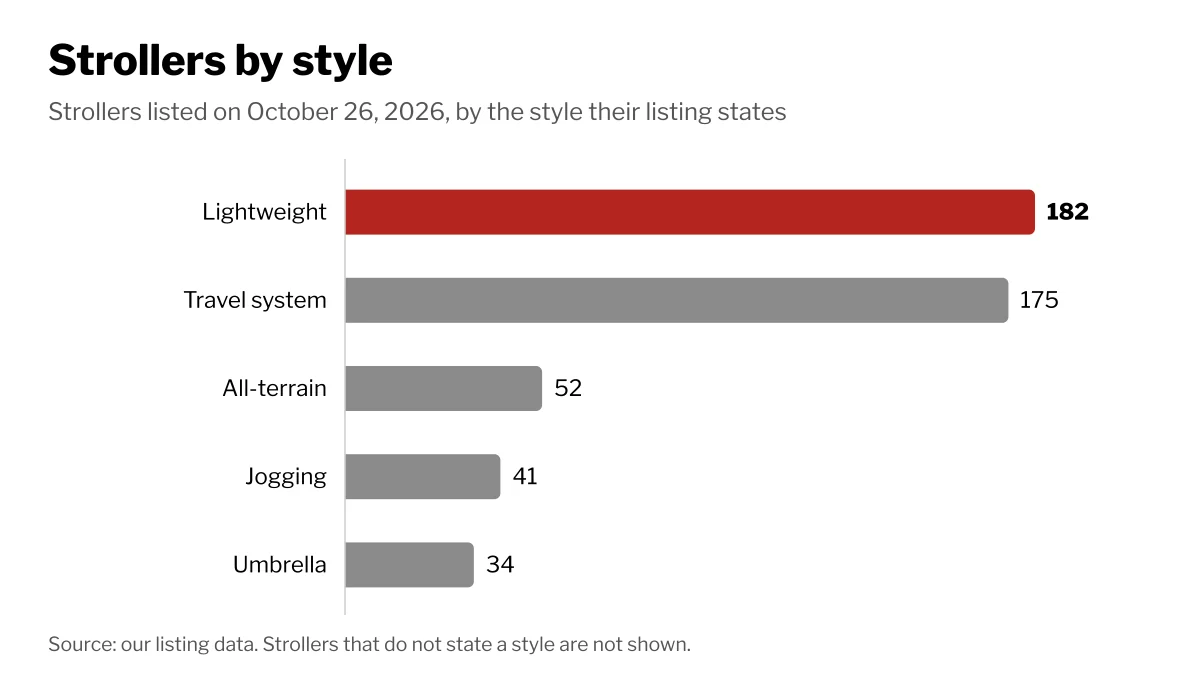
Full-size strollers are heavier but often take a bassinet or car seat, compact strollers fold small and start around 6 months; the seat's minimum age decides.

Swaddle vs Sleep Sack, Sizes and TOG
A swaddle wraps a baby's arms for the newborn weeks, a sleep sack leaves them free; both are sized by weight and length, and TOG says how warm they are.