Sports & Outdoors Specs Explained
Plain explanations of sports & outdoors specs on Wiki Shopping, such as sizes and ratings, and what each one changes when you choose a product.

Golf Ball Compression and Layers, Explained
Compression rates how firm a golf ball is; low suits slower swings, high suits faster ones, and the cover and layers decide spin and feel near the green.

Golf Simulator Space and Launch Monitors, Explained
A home golf simulator room is usually about 10 feet high, 10 to 14 feet wide and 15 to 20 feet deep; radar launch monitors need more depth than camera units.

Life Jacket Types and Sizes, Explained
New US life jacket labels rate flotation in newtons, Level 50 to 275, not Type I to V; most sold are Level 70, and the label's weight and chest range set size.

Trekking Pole Length and Locks, Explained
Set a trekking pole so your elbow bends at a right angle with the tip by your foot; Leki's starting point is your height in centimeters times 0.68.

Adjustable vs Fixed Dumbbells: Types and Weights
Fixed dumbbells are one weight each and ready to grab; adjustable dumbbells change weight with a dial or plates and replace a rack in the space of one pair.

Baseball Bat Sizes, Drop Weight and BBCOR vs USSSA
Choose bat length by age, height and weight, then the drop (length minus weight) and the certification stamp your league requires, such as USA, USSSA or BBCOR.
Batting Glove and Sports Glove Sizes
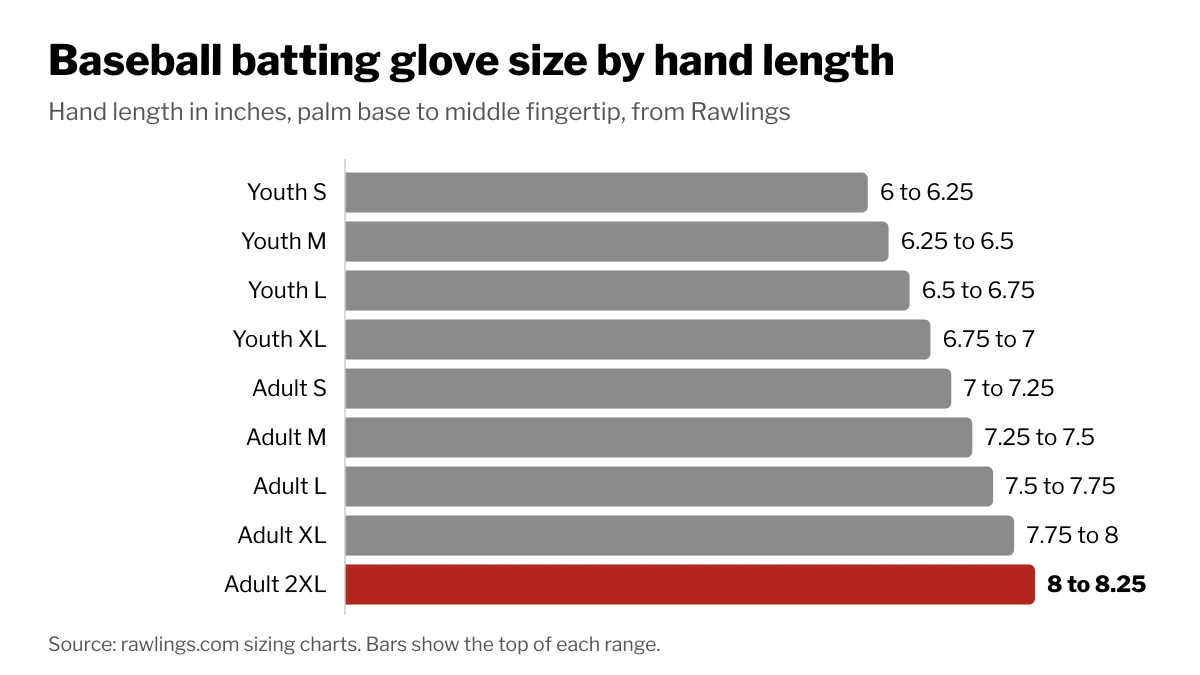
Batting gloves are sized by hand length from palm base to middle fingertip, fielding gloves by inches for age and position, and boxing gloves by hand size.
Bike Helmet Sizes, Certification and MIPS
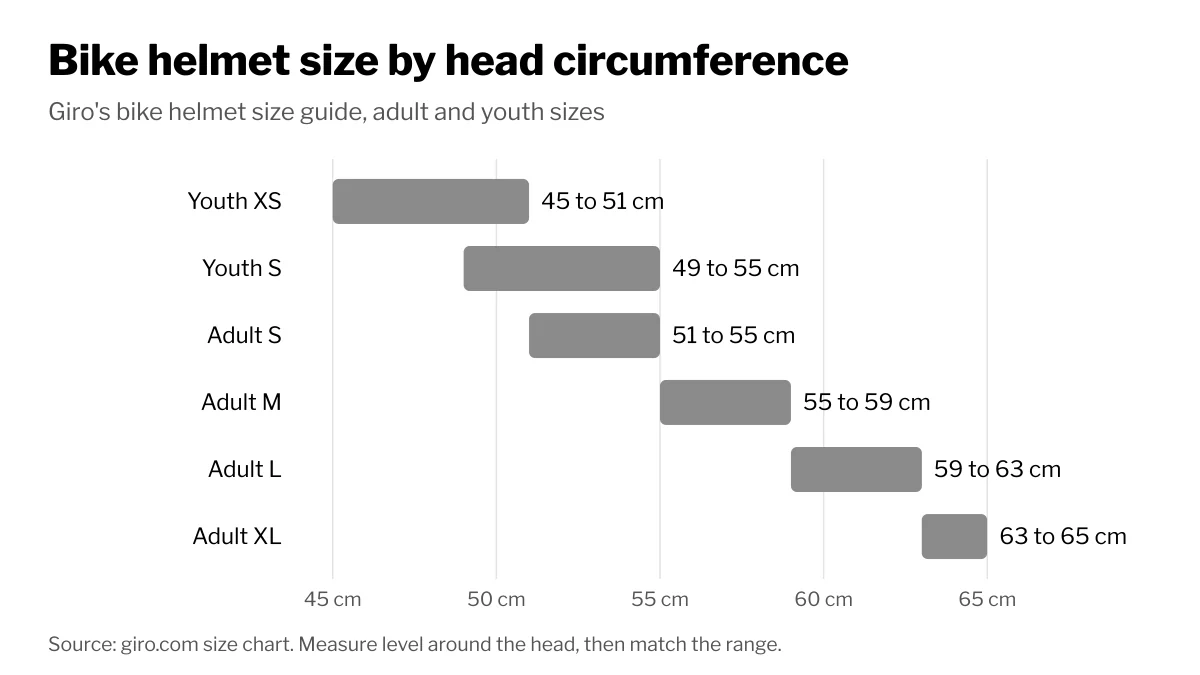
Bike helmets are sized by head circumference in centimeters, US bike helmets carry a CPSC label, and MIPS is a low-friction layer for rotational impacts.
Bike Size Chart by Height, and Mountain vs Hybrid
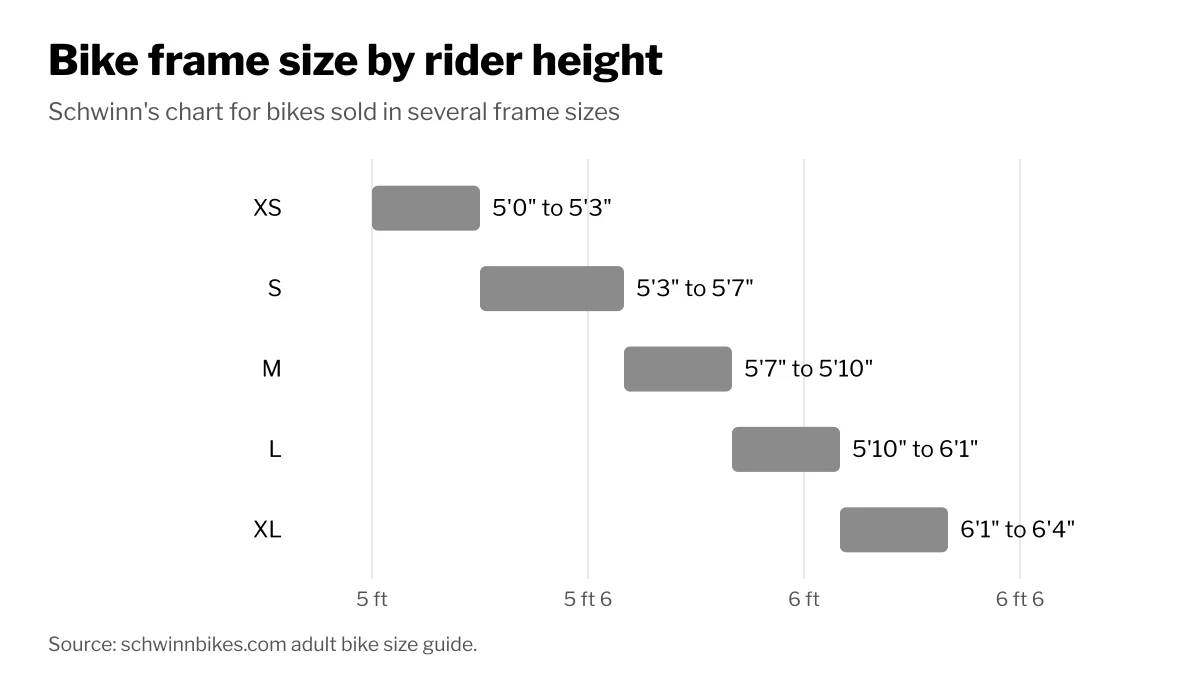
Adult bike frames are sized XS to XL by rider height, about 5 feet to 6 feet 4 inches on a typical chart; mountain bikes and hybrids differ in tires and fit.

Compression Sock Levels, mmHg and Fit
The mmHg number on compression socks is the squeeze in millimeters of mercury; 15-20 is lighter and 20-30 firmer, and a good pair feels tight at the ankle.
Hockey Stick Flex and Length, Explained
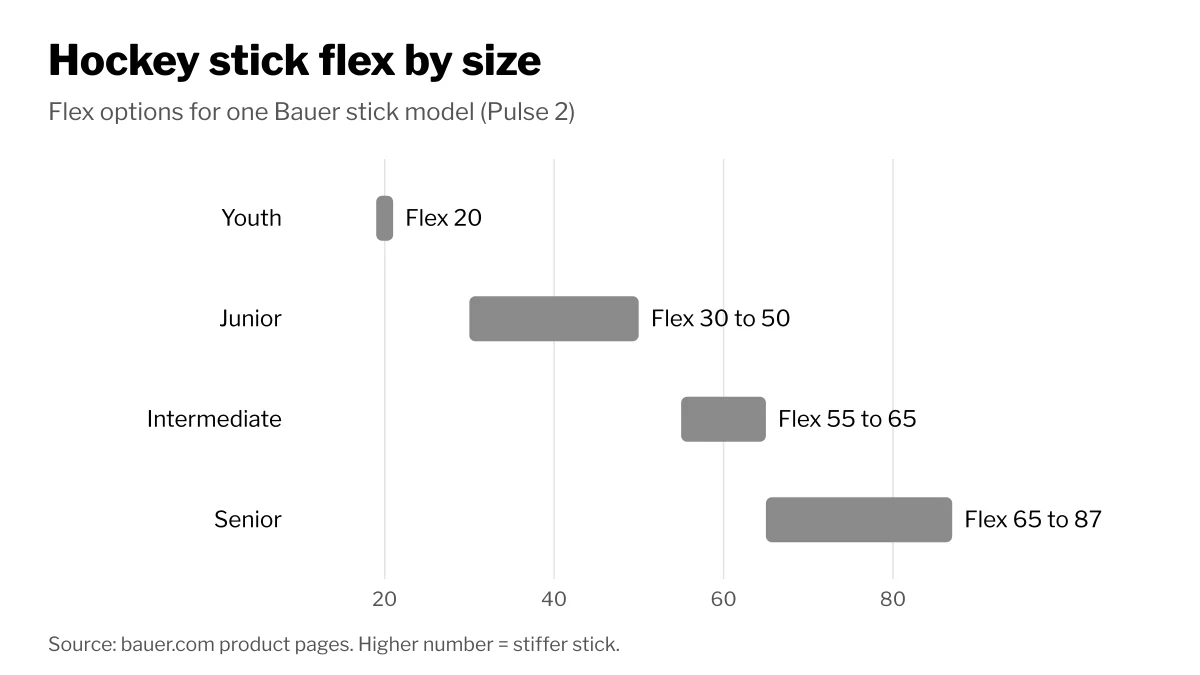
A hockey stick's flex number tells you how stiff it is; Bauer suggests starting a bit under half your body weight in pounds, and a cut stick gets stiffer.
Kayak Paddle Length Chart and Blade Materials
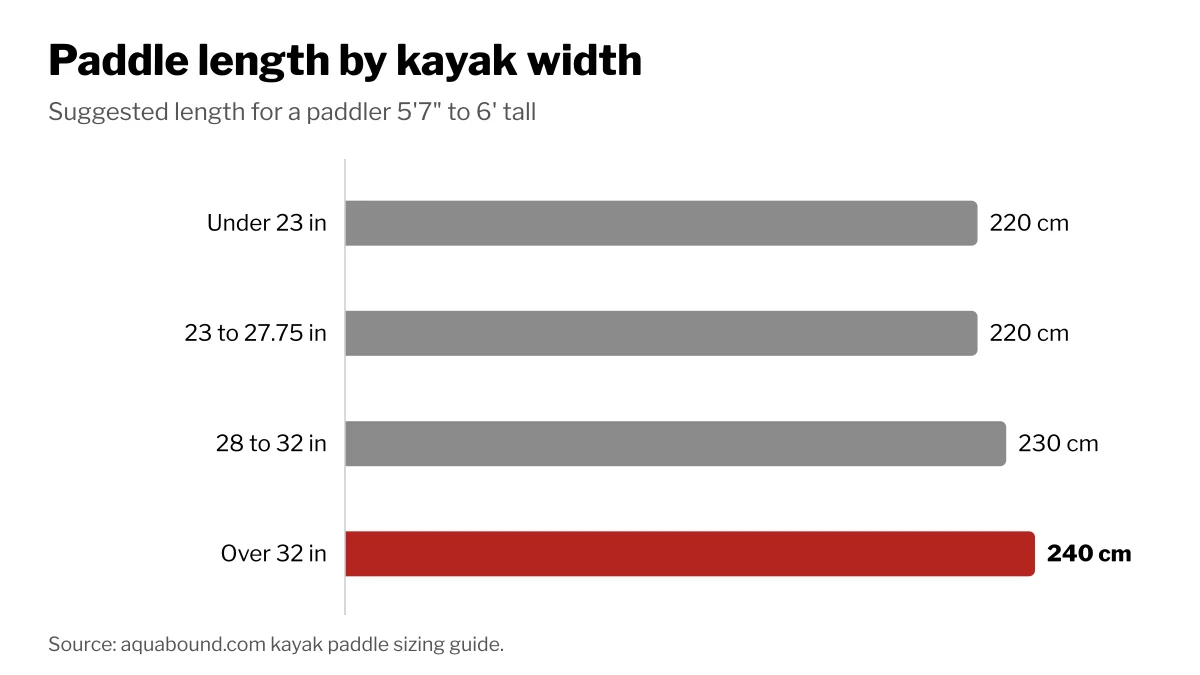
Kayak paddle length depends on boat width and your height, from about 200 cm for a narrow boat and short paddler to 250 cm for a wide boat and tall paddler.

Sleeping Bag Temperature Ratings, Explained
An ISO sleeping bag rating gives a comfort temperature and a lower limit; cold sleepers go by comfort, warm sleepers by the limit, both with a margin.

Snowboard Binding Sizes and Entry Types
Snowboard bindings are sized to your boot, so pick the binding from the maker's boot chart, then choose straps, a step-on system or a rear-entry design.

Soccer Ball and Basketball Sizes by Age
Soccer balls run from size 1 to 5 and basketballs from size 3 to 7; the right one depends on the player's age, and basketball size also on the league.

Spinning Reel Size Chart and What Reel Numbers Mean
The number on a spinning reel, such as 2500 or 4000, is a size class; higher means a bigger spool, more line and drag and bigger fish, though brands differ.

Swim Goggle Types, Lenses and Fit
Swim goggles differ by shape (racing, comfort, open water, mask) and lens (clear, mirrored, tinted, polarized); a good fit gives suction without the strap.
Treadmill Specs: Horsepower, CHP and Watts
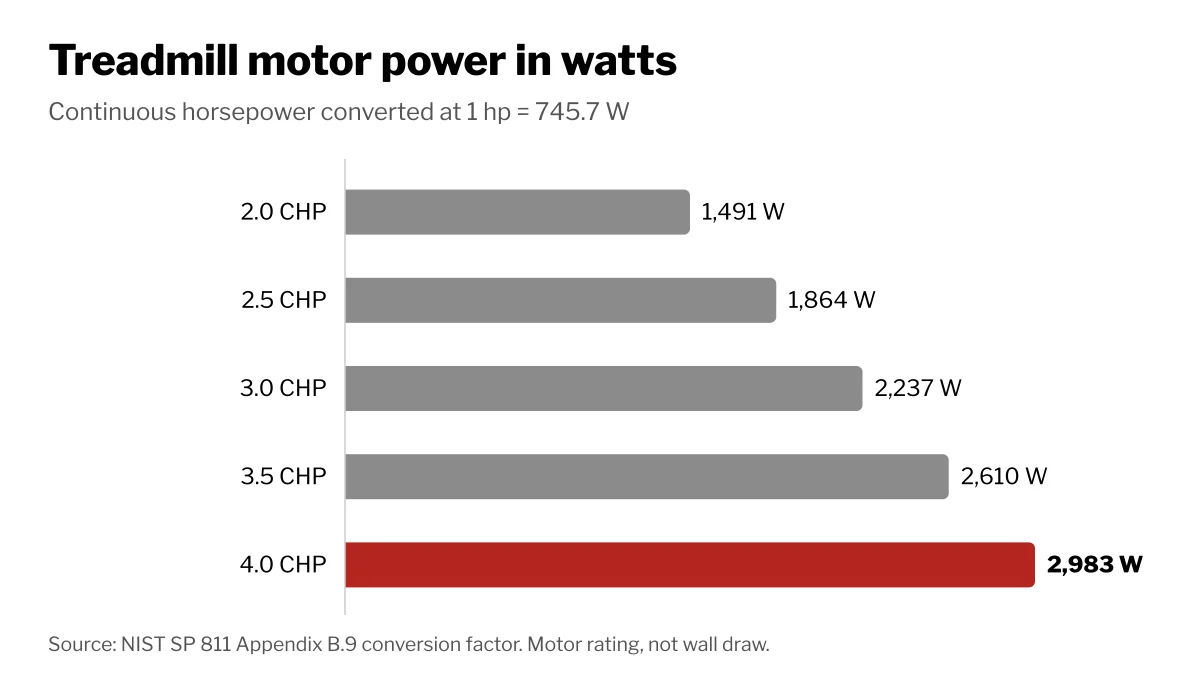
Compare continuous horsepower (CHP), not peak horsepower; walkers need about 2.0 CHP, joggers about 2.5 and regular runners 3.0 or more.

Water Bottle Sizes in Ounces and Milliliters
Common water bottles hold 12 to 48 fluid ounces, and a 32 oz bottle is about 946 mL; the right size depends on how often you can refill it during the day.

Wetsuit Thickness: What 3/2 Means and Which You Need
A 3/2 wetsuit is 3 mm thick at the torso and 2 mm at the arms and legs; O'Neill suggests a 3/2 or 4/3 for water around 55 to 64°F.

What Size Kayak Do I Need? Length, Width and Capacity
Shorter, wider kayaks feel steadier and turn easily, longer, narrower ones track straight and glide faster, and weight capacity must cover you and your gear.