
Adolph Green
Contributing writerAdolph Green writes for Wiki Shopping about sports, fitness and outdoor gear, including athletic apparel, training equipment and fitness technology.
His articles explain the specifications in those listings and how the products on a page compare on them.
Adolph is also a contributing writer for RetailCoupons.com.
Writes about
Sports, Fitness, Outdoor gear, Fitness technology.
Articles by Adolph

Base Layers, Merino vs Synthetic, Explained
Merino base layers resist odor and handle stop and start activity well, while synthetic base layers dry faster, cost less and stand up better to rough use.

Down Fill Power and Insulation Types, Explained
Fill power is how many cubic inches an ounce of down fills, so higher is loftier; warmth also depends on how much down a jacket holds, and synthetics work wet.

Golf Ball Compression and Layers, Explained
Compression rates how firm a golf ball is; low suits slower swings, high suits faster ones, and the cover and layers decide spin and feel near the green.

Golf Simulator Space and Launch Monitors, Explained
A home golf simulator room is usually about 10 feet high, 10 to 14 feet wide and 15 to 20 feet deep; radar launch monitors need more depth than camera units.
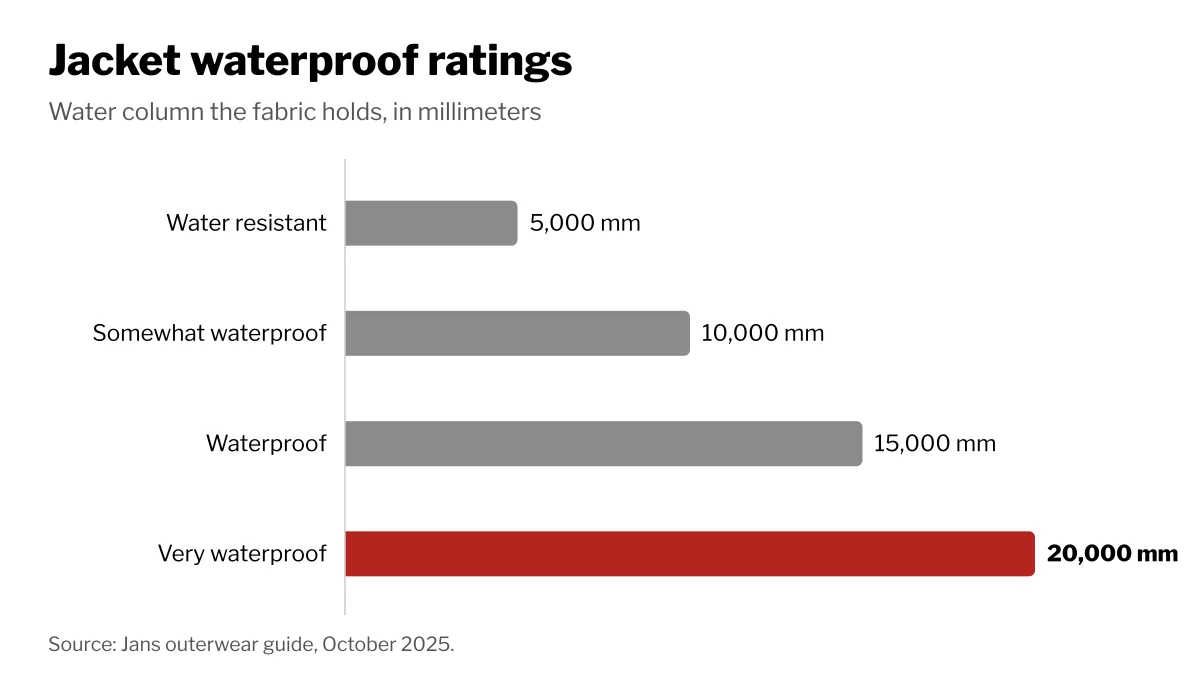
Jacket Waterproof Ratings in mm, and Breathability
A jacket's waterproof rating in mm is the water column the fabric holds before it leaks; about 10,000 mm suits moderate rain and 20,000 mm and up storms.

Life Jacket Types and Sizes, Explained
New US life jacket labels rate flotation in newtons, Level 50 to 275, not Type I to V; most sold are Level 70, and the label's weight and chest range set size.

Rooftop Tents: Hard Shell vs Soft Shell
A hard shell rooftop tent can open in about a minute and handles bad weather better; a soft shell is lighter, cheaper and roomier but slower to pitch.

Sweater Materials: Merino, Cashmere and Acrylic
Merino is fine sheep's wool, cashmere is a goat's soft undercoat with a legal fineness limit, and acrylic is a synthetic that costs less but pills sooner.

Trekking Pole Length and Locks, Explained
Set a trekking pole so your elbow bends at a right angle with the tip by your foot; Leki's starting point is your height in centimeters times 0.68.

What Binocular Numbers Like 8x42 Mean
In 8x42, the 8 is the magnification and the 42 is each front lens width in millimeters; 42 divided by 8 gives the exit pupil, a guide to dim-light brightness.

Adjustable vs Fixed Dumbbells: Types and Weights
Fixed dumbbells are one weight each and ready to grab; adjustable dumbbells change weight with a dial or plates and replace a rack in the space of one pair.

Baseball Bat Sizes, Drop Weight and BBCOR vs USSSA
Choose bat length by age, height and weight, then the drop (length minus weight) and the certification stamp your league requires, such as USA, USSSA or BBCOR.
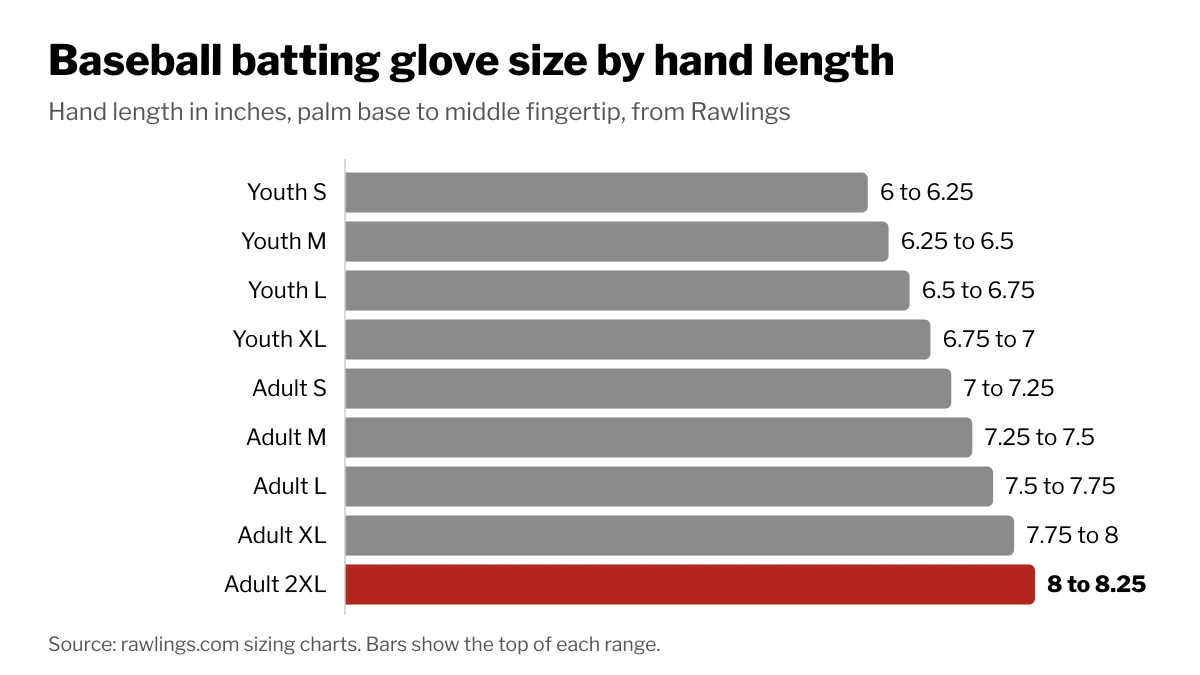
Batting Glove and Sports Glove Sizes
Batting gloves are sized by hand length from palm base to middle fingertip, fielding gloves by inches for age and position, and boxing gloves by hand size.
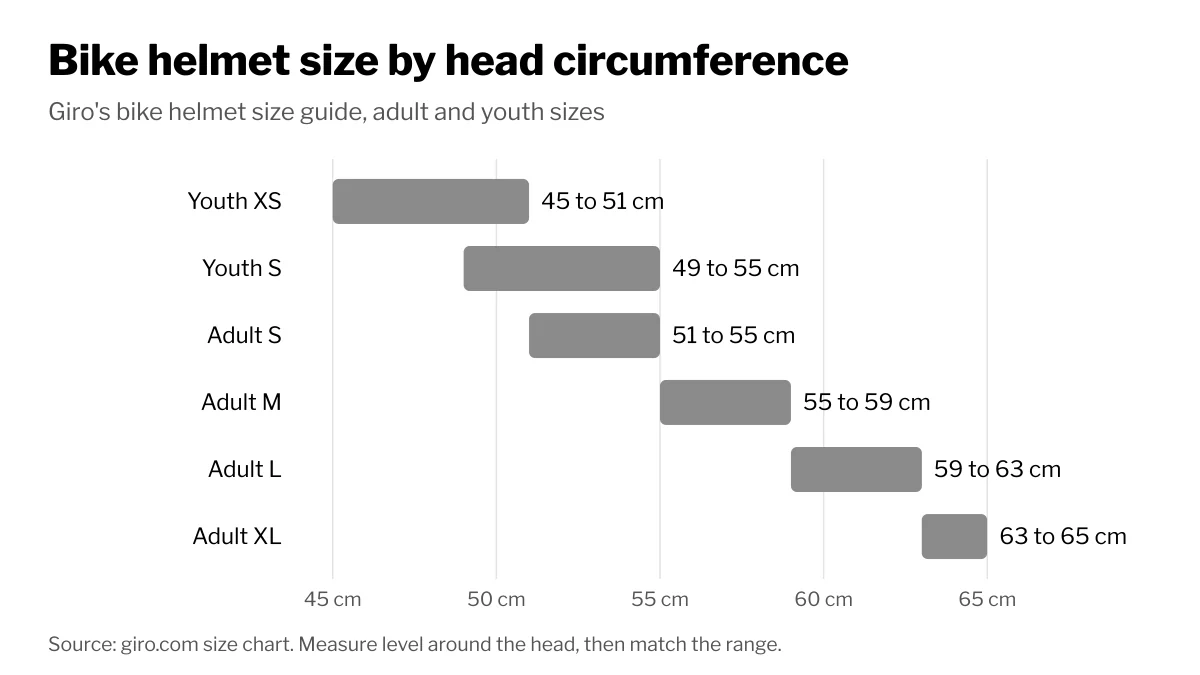
Bike Helmet Sizes, Certification and MIPS
Bike helmets are sized by head circumference in centimeters, US bike helmets carry a CPSC label, and MIPS is a low-friction layer for rotational impacts.
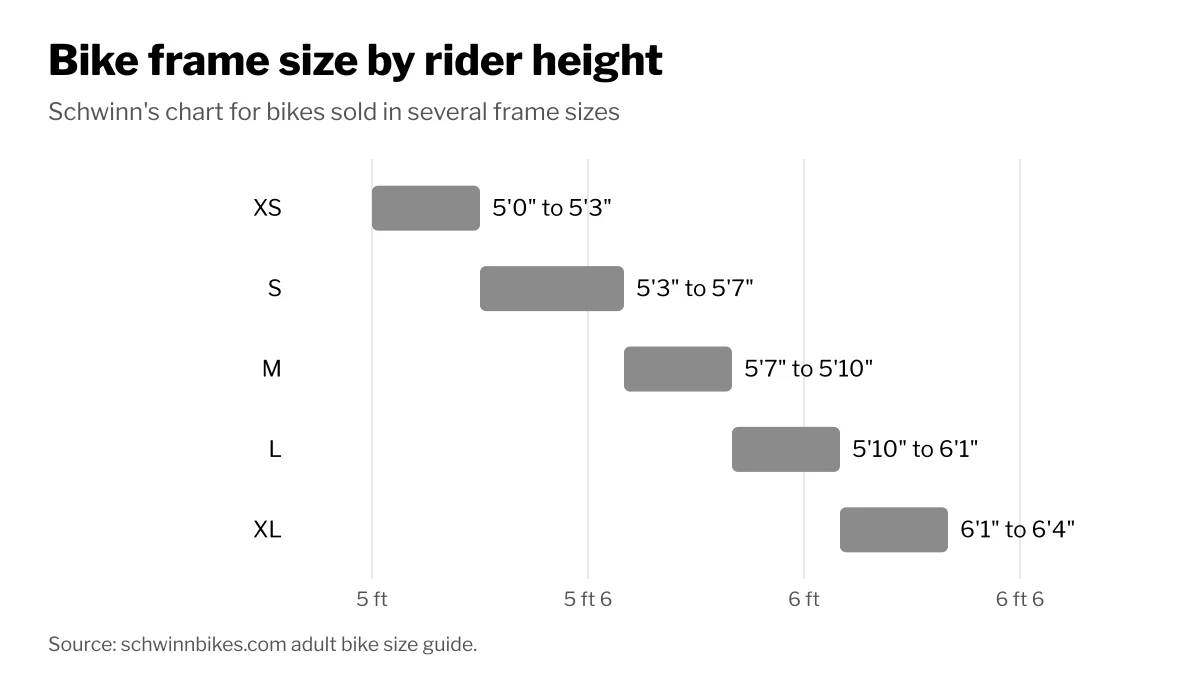
Bike Size Chart by Height, and Mountain vs Hybrid
Adult bike frames are sized XS to XL by rider height, about 5 feet to 6 feet 4 inches on a typical chart; mountain bikes and hybrids differ in tires and fit.

Compression Sock Levels, mmHg and Fit
The mmHg number on compression socks is the squeeze in millimeters of mercury; 15-20 is lighter and 20-30 firmer, and a good pair feels tight at the ankle.

Fleece Weights, 100 vs 200 vs 300, Explained
The 100, 200 and 300 on a fleece jacket describe fabric weight per square meter, not a warmth rating, and a fleece blocks far less wind than a softshell.

Hiking Boots vs Hiking Shoes, and How They Should Fit
Hiking shoes are lighter and more flexible, hiking boots protect more on rough ground and under heavy packs, and both need a thumb's width past your toes.
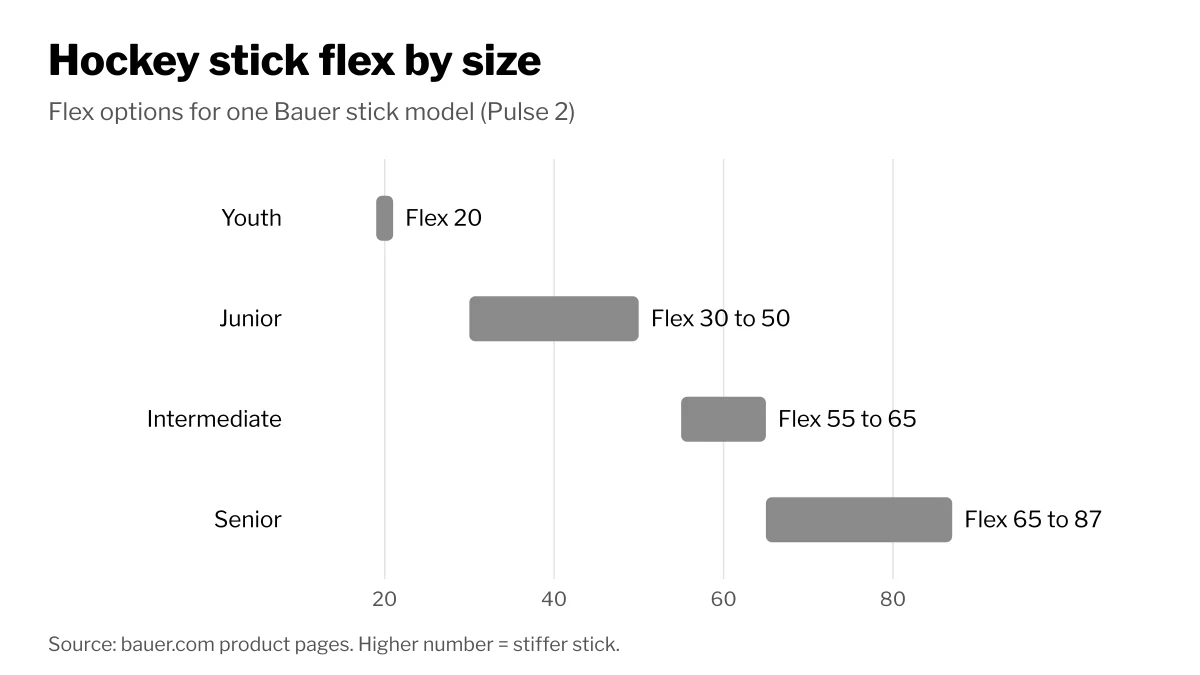
Hockey Stick Flex and Length, Explained
A hockey stick's flex number tells you how stiff it is; Bauer suggests starting a bit under half your body weight in pounds, and a cut stick gets stiffer.
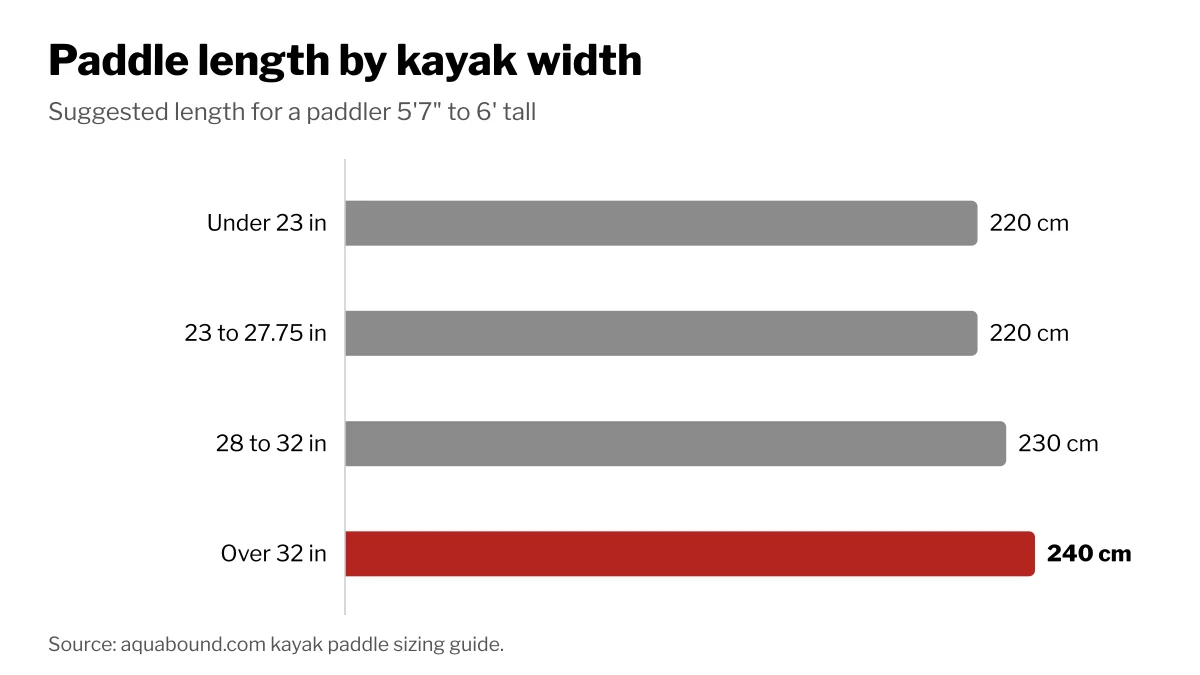
Kayak Paddle Length Chart and Blade Materials
Kayak paddle length depends on boat width and your height, from about 200 cm for a narrow boat and short paddler to 250 cm for a wide boat and tall paddler.

Kite Types: Wind Speed, Single vs Dual Line
Most single-line kites fly in about 5 to 20 mph of wind, sleds lift off in less, and dual-line stunt kites are steered with two lines and suit older beginners.
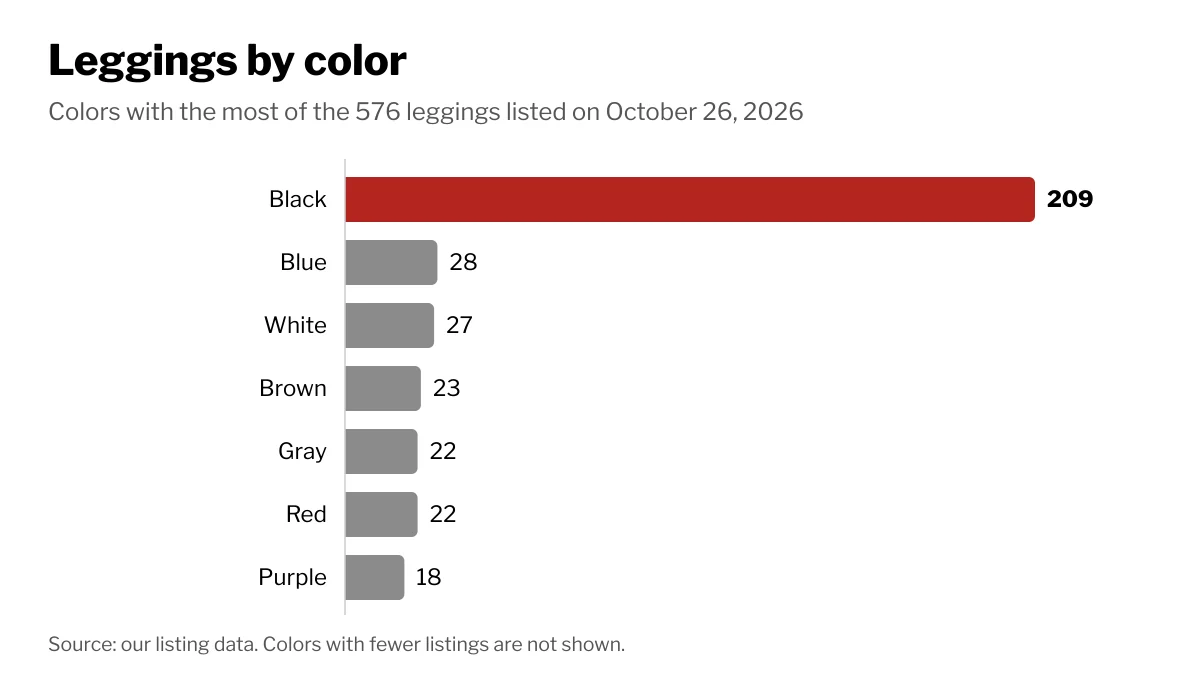
Leggings Fabric, Fit and Size Chart
Leggings and yoga pants have no fixed dividing line; squat proof means the fabric stays opaque when stretched, and sizes follow waist and hip measurements.

Neutral vs Stability Running Shoes, Explained
Neutral running shoes suit runners whose feet roll inward only a little; stability shoes add support for overpronation, and heel drop is a separate spec.
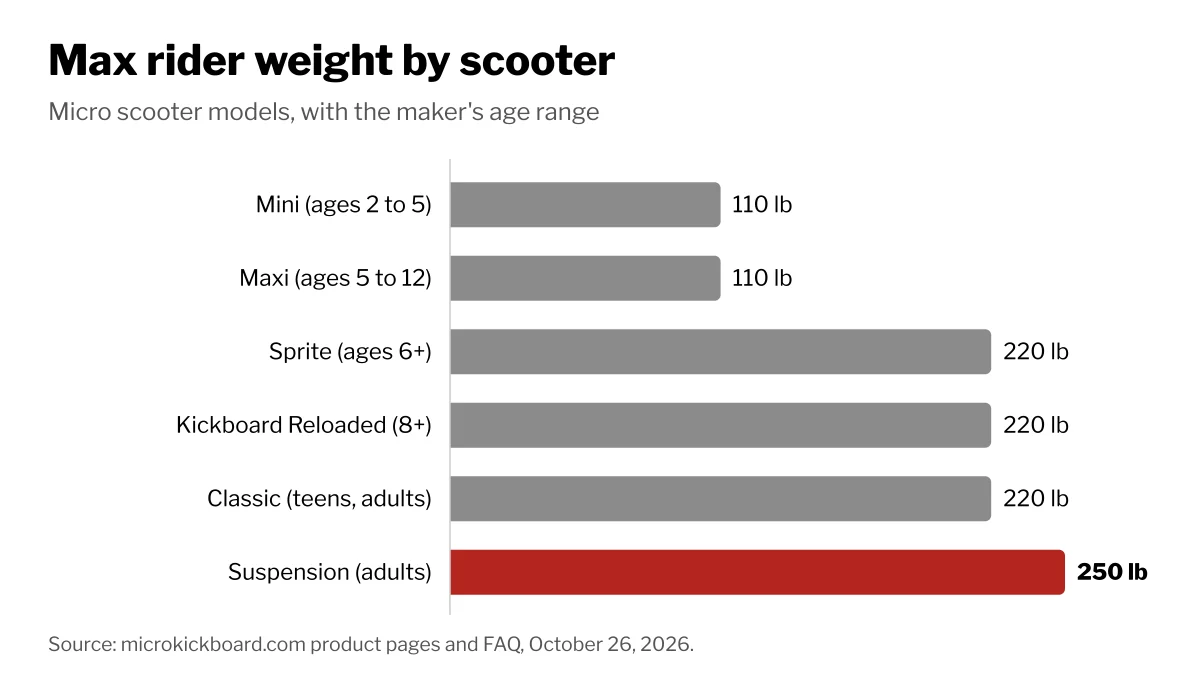
Scooter Types by Age: 3 Wheels vs 2 Wheels
Three-wheel lean-to-steer scooters suit ages 2 to 5, bigger scooters fit school-age kids, and the maker's maximum rider weight matters as much as age.