Electronics Specs Explained
Plain explanations of electronics specs on Wiki Shopping, such as sizes and ratings, and what each one changes when you choose a product.

Soundbar Channels: 2.1 vs 5.1 vs Dolby Atmos
Soundbar numbers count channels: the first is ear-level speakers, the second the subwoofer, and a third, as in 5.1.2, the height channels for Dolby Atmos.
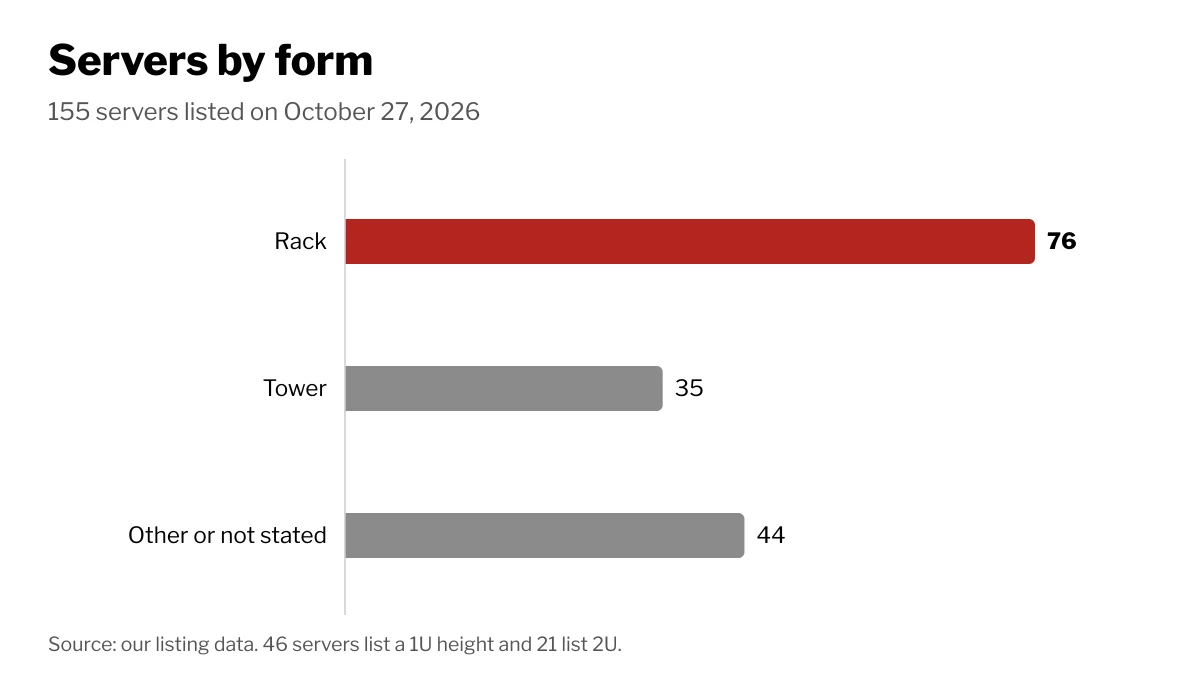
Tower vs Rack Servers, Explained
A tower server stands alone like a desktop and suits an office without a server room; a rack server mounts in a 19-inch rack and suits growing server rooms.
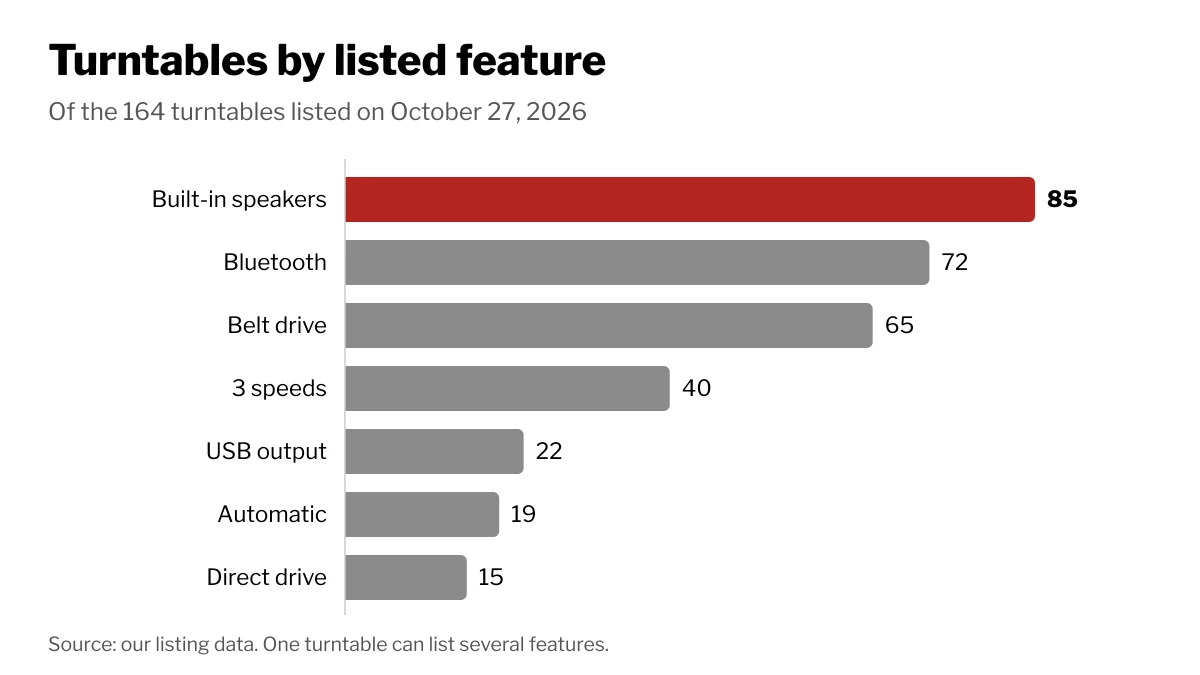
Turntables: Belt vs Direct Drive and Preamps
A belt drive turntable turns the platter with a belt from an offset motor, a direct drive puts the motor under it, and a phono preamp boosts the signal.
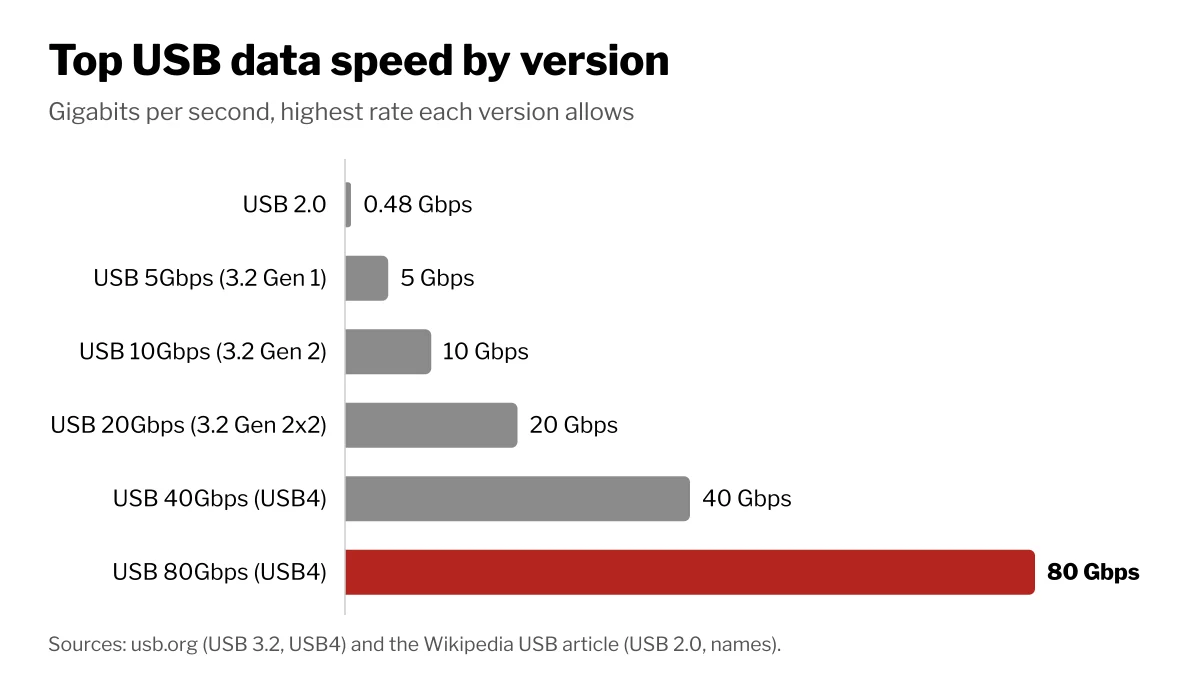
USB Cable Types: USB-A, USB-C and Speeds
The plug shape (USB-A or USB-C) and the speed (USB 2.0 up to USB 80Gbps) are separate things, so check both, plus the wattage a USB-C cable is rated for.

USB vs XLR Microphones, Explained
A USB microphone plugs straight into a computer, while an XLR microphone needs an audio interface or mixer in return for more room to upgrade.
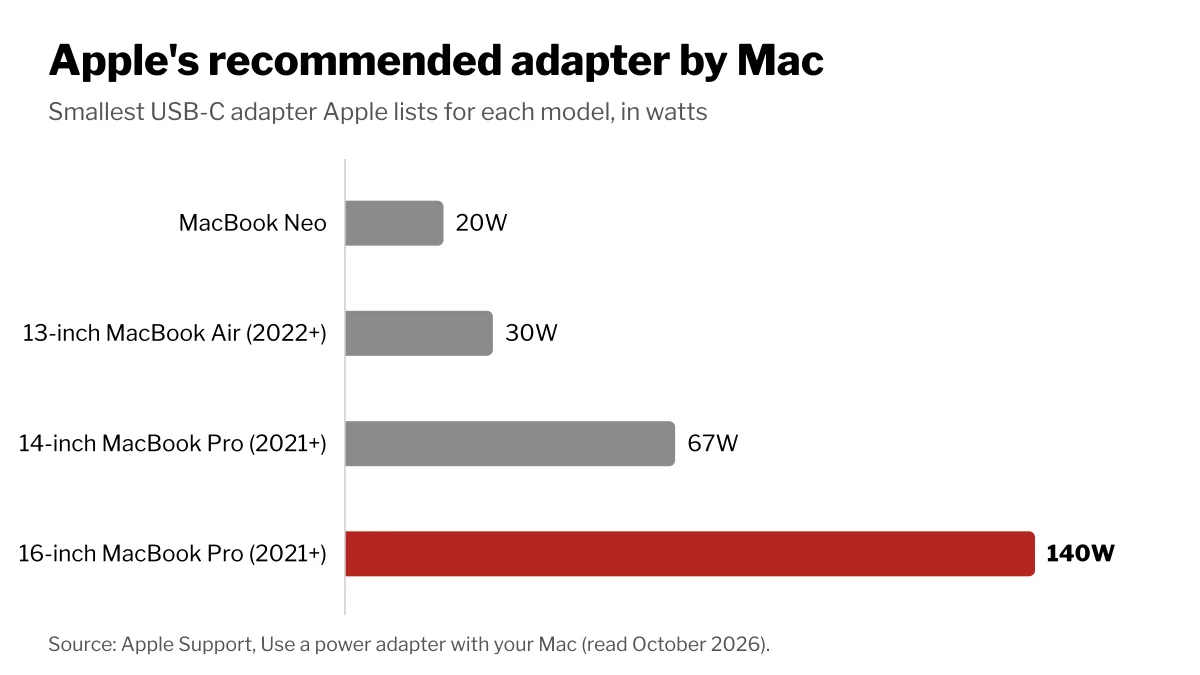
USB-C Charger Wattage and GaN, Explained
Use a charger with at least the wattage your device maker recommends; USB-C Power Delivery now reaches 240 watts, and GaN is a smaller build of the same idea.
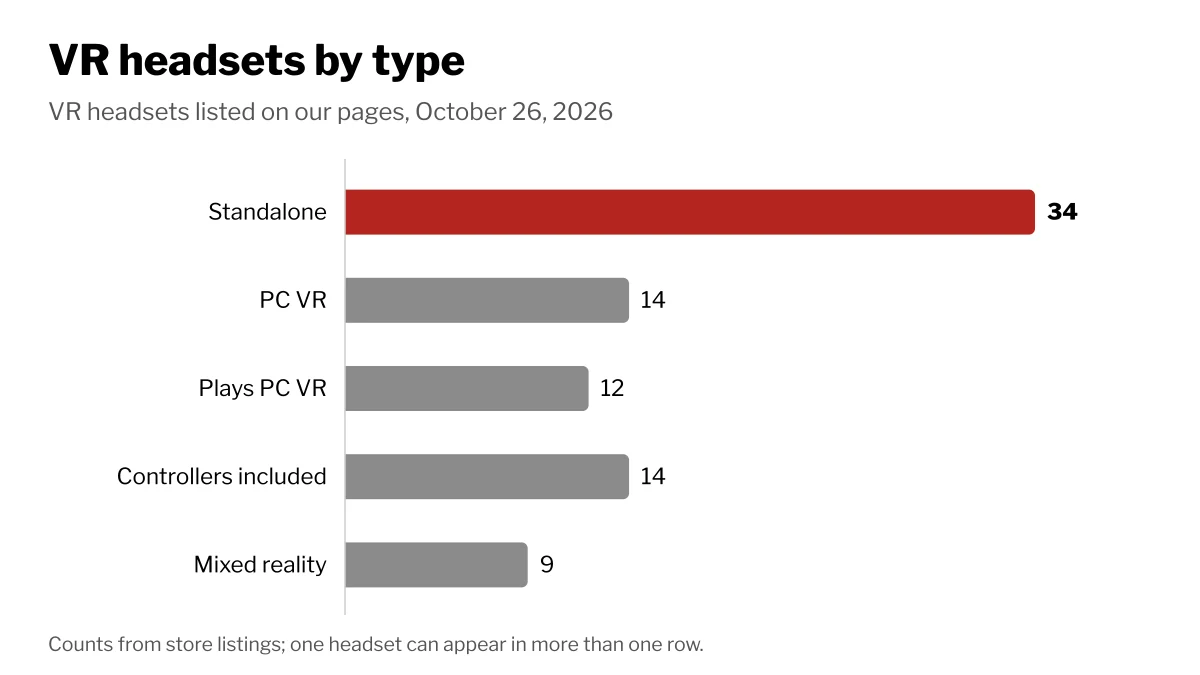
VR Headsets: Standalone vs PC VR, Explained
A standalone VR headset has its own processor, storage and battery, while a PC VR headset uses a Windows PC and its graphics card; some do both.

Webcam Resolution and Frame Rate, Explained
A 1080p webcam matches the top call quality in Zoom's bandwidth guide; 4K helps when you crop, zoom or record, and 60 fps makes motion smoother than 30 fps.

What Binocular Numbers Like 8x42 Mean
In 8x42, the 8 is the magnification and the 42 is each front lens width in millimeters; 42 divided by 8 gives the exit pupil, a guide to dim-light brightness.
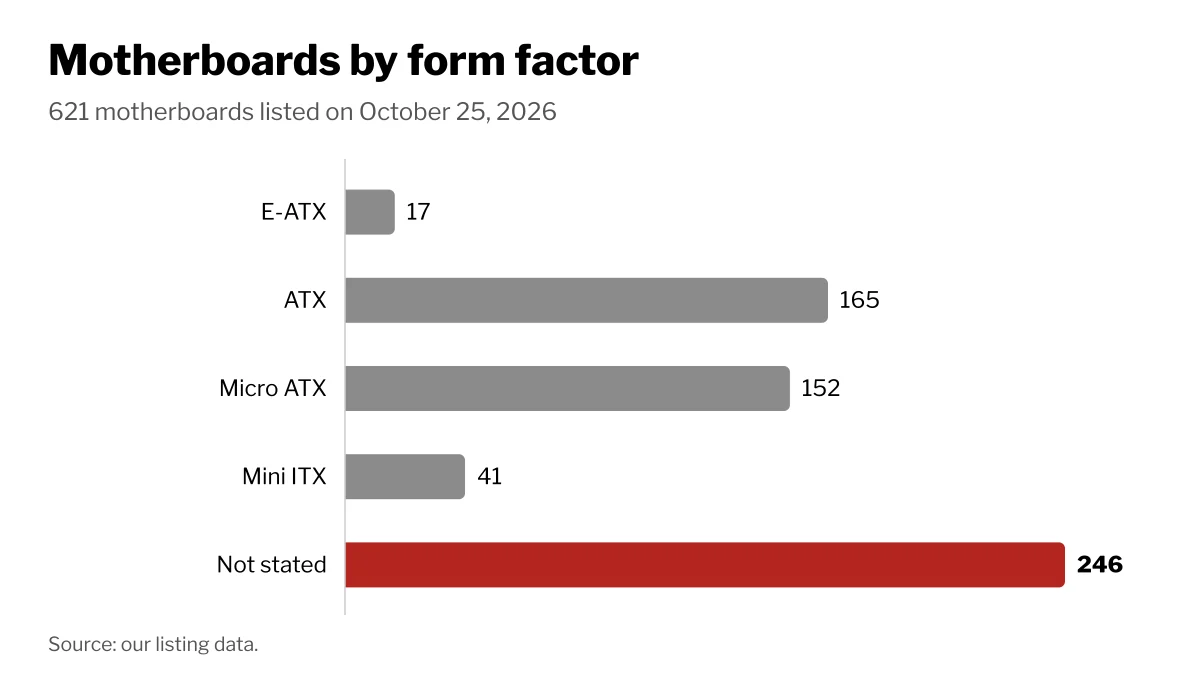
ATX vs Micro ATX vs Mini ITX Motherboards
ATX, Micro ATX and Mini ITX are standard board sizes that set which cases fit and how many slots you get; ATX is the most common size we list.

Camera Types and Megapixels, Explained
Mirrorless cameras swap the DSLR's mirror and optical viewfinder for a live electronic view; a megapixel is one million pixels, and 7 MP covers an 8x10 print.
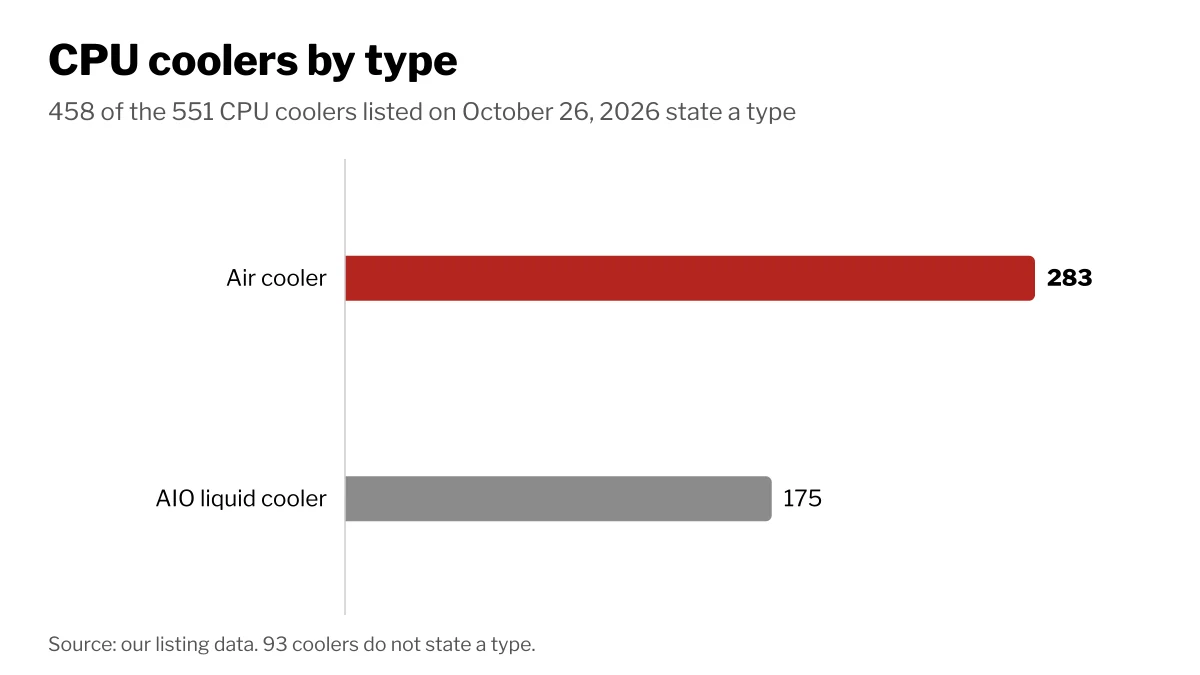
CPU Cooler Types: Air vs Liquid
An air cooler moves heat through metal fins and a fan, an all-in-one (AIO) liquid cooler pumps coolant to a radiator, and both are sized to the CPU's power.

Ethernet Cable Categories: Cat5e vs Cat6 vs Cat6a
The Cat number names a cable's performance grade; Cat5e handles gigabit, Cat6a carries 10 Gbps over a full 100 meter run, and Cat6 only on short runs.
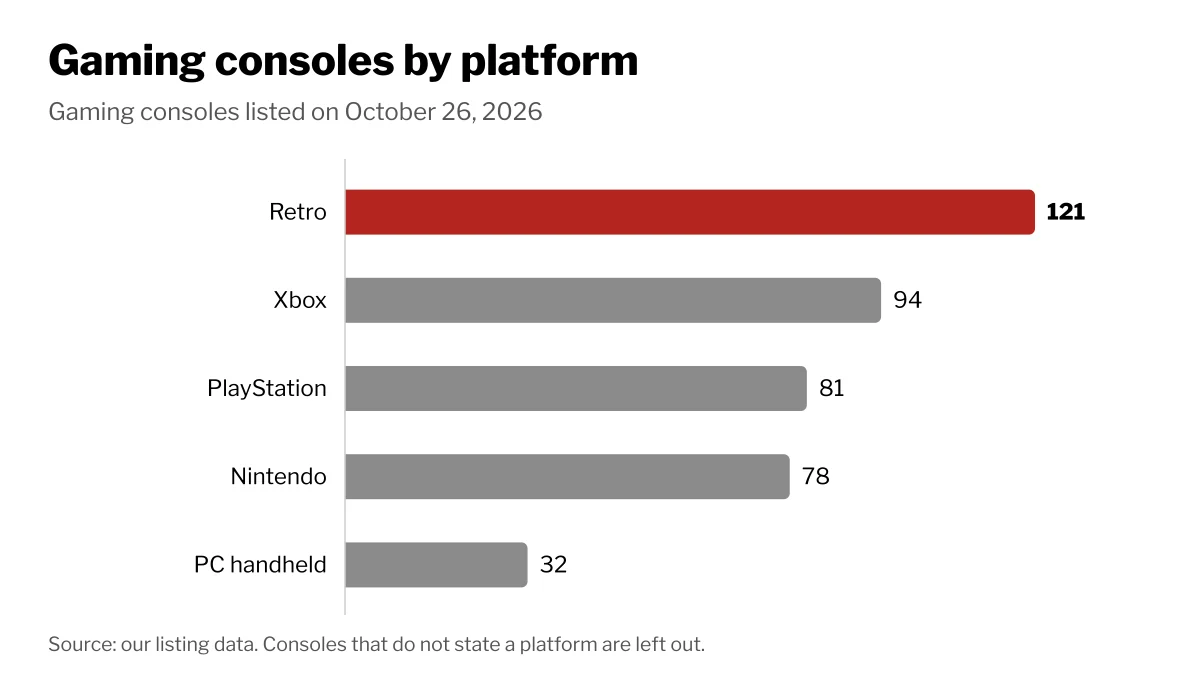
Gaming Consoles Compared: Home, Handheld, Disc
Home consoles plug into a TV, handhelds carry their own screen and hybrids do both; a digital edition skips the disc drive, and a PS5 draws 200 to 220 watts.
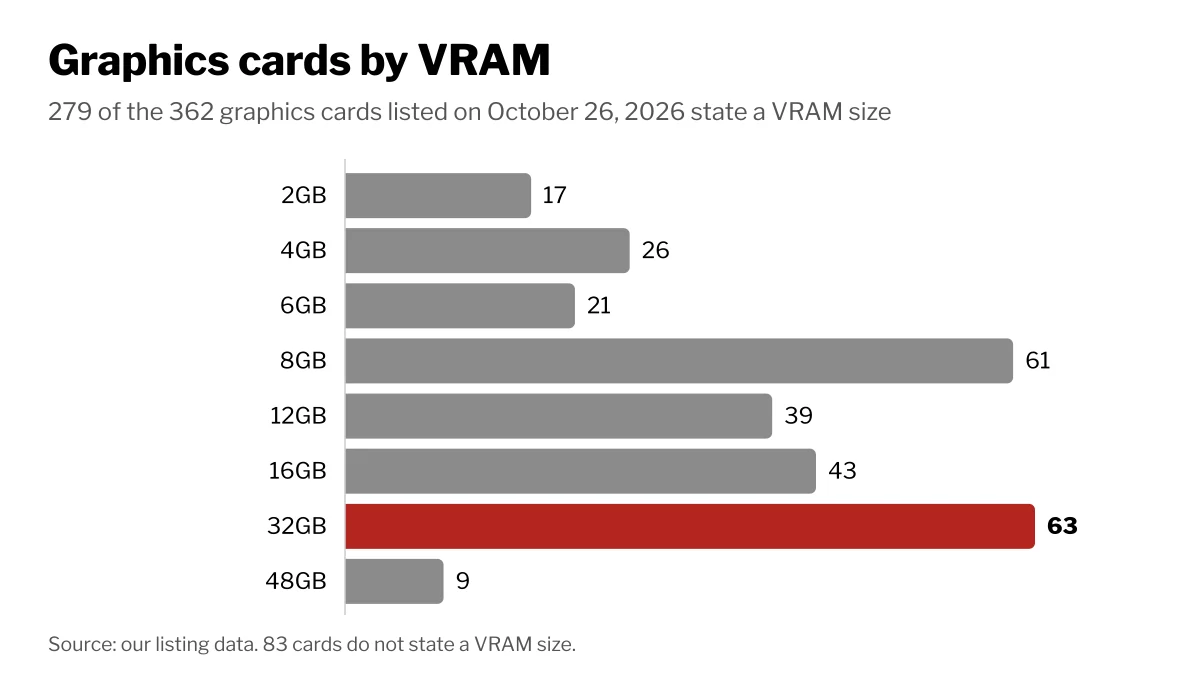
Graphics Card VRAM: How Much You Need
VRAM is the memory on a graphics card that holds textures and other image data; Corsair suggests at least 8GB for 1080p gaming, 12GB for 1440p and 16GB for 4K.
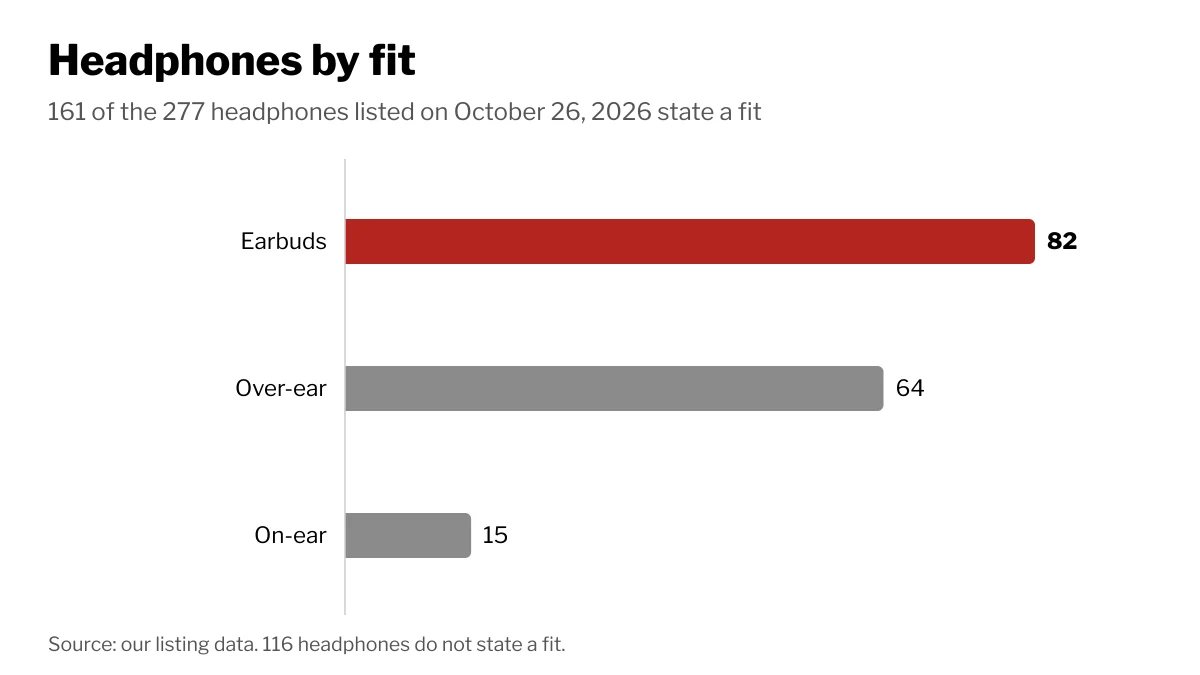
Headphone Types: Open Back, Closed Back and ANC
Headphones differ by fit (earbuds, on-ear, over-ear), by ear cup (open or closed back) and by whether active noise cancelling (ANC) cancels outside sound.
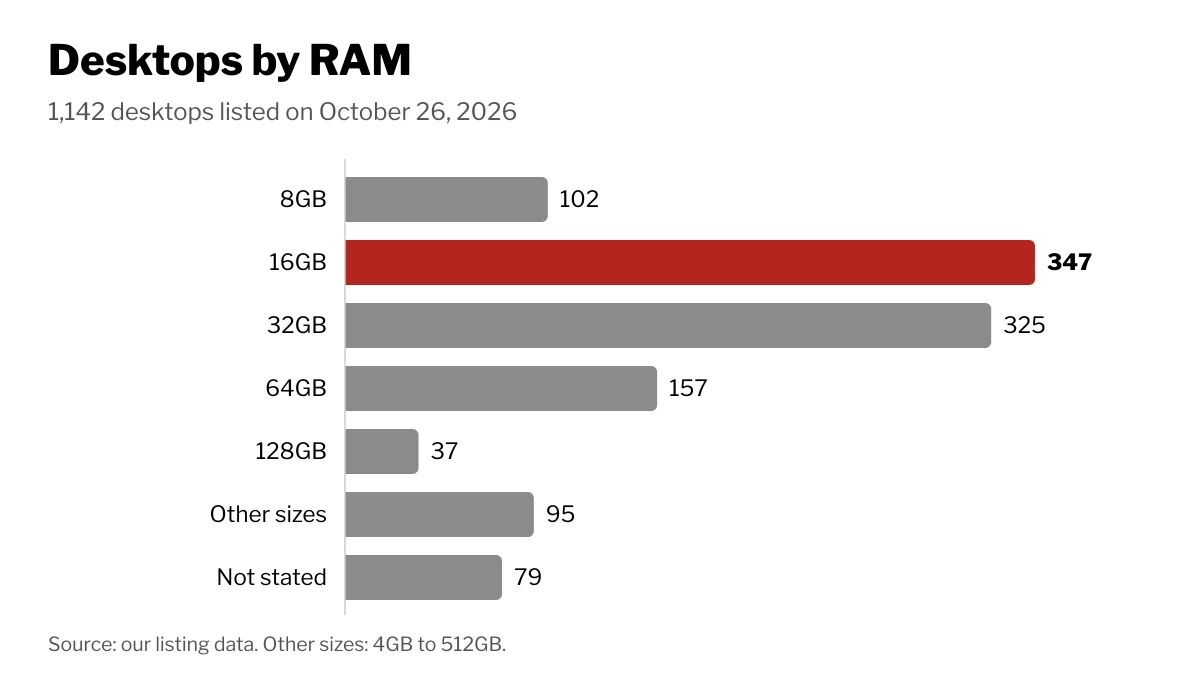
How to Choose a Desktop Computer
Pick the case style first (tower, compact or all-in-one), then match CPU, RAM, storage and graphics to your heaviest task; 16GB is our most common RAM size.

Laptop Processors: Core i5 vs i7 and the U, H Suffix
In an Intel laptop chip, the number after Core sets the performance tier and the end letter the power class; U means power efficient, H highest performance.
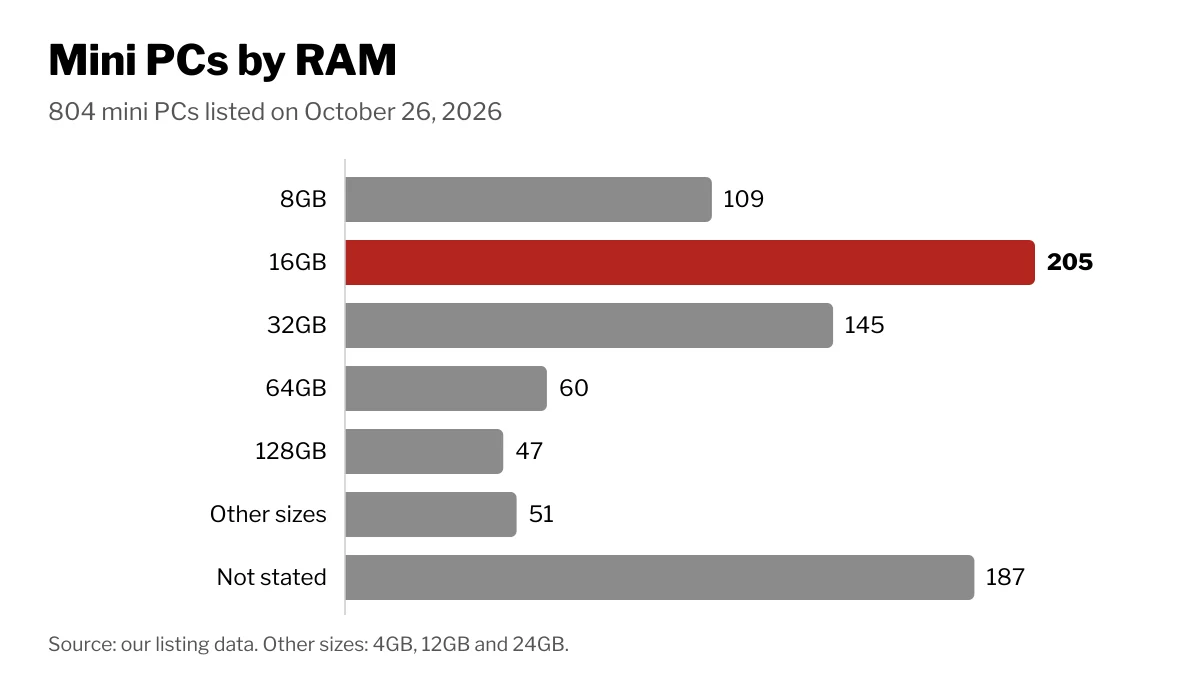
Mini PC vs Desktop Computer, Explained
A mini PC is a small desktop that saves space and power; a tower gives more room for graphics cards and upgrades, which matters most for gaming.

Monitor Size and Resolution: 1080p vs 1440p vs 4K
Pick monitor size and resolution together: a 27-inch 1440p screen packs about 109 pixels per inch against 82 for 27-inch 1080p, so it looks sharper.
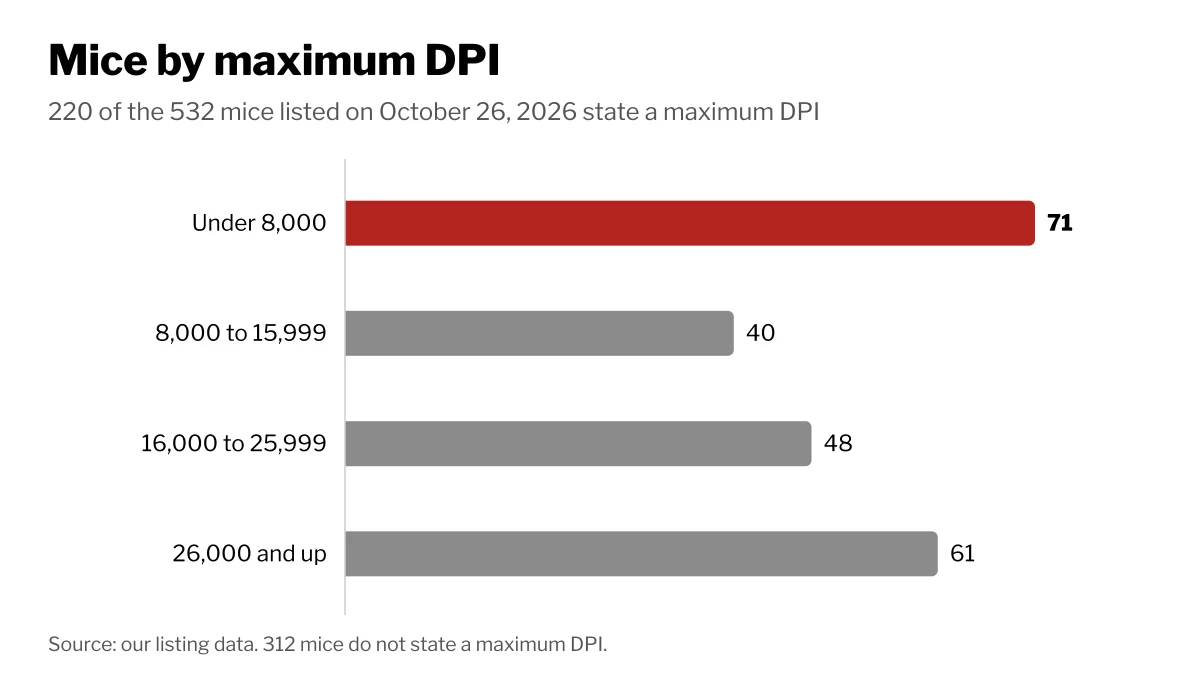
Mouse DPI Explained: What Setting to Use
DPI sets how far the cursor moves per inch of mouse travel; at 800 DPI one inch moves it about 800 pixels, and most gamers play at 400 to 3,600.

NAS Buying Basics: Bays, RAID and Drives
A NAS is a small always-on computer that shares its drives over your network; the number of bays sets your space and how many drive failures it survives.

Network Switches: Managed vs Unmanaged, PoE and Ports
An unmanaged switch just adds wired ports, a managed switch adds settings and monitoring, and a PoE switch also powers cameras and access points.
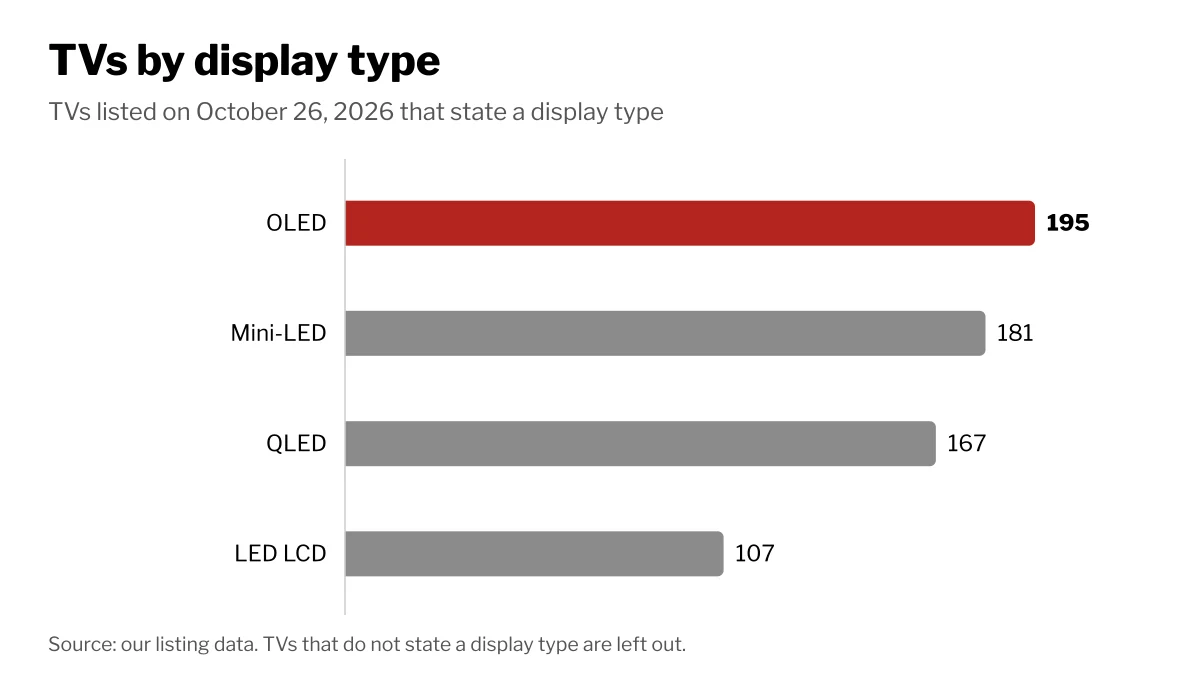
OLED vs QLED vs LED TV: How the Screens Differ
An OLED TV lights each pixel on its own for perfect black, while QLED and LED TVs are LCDs lit by a backlight; QLED adds a quantum dot layer for purer color.