Electronics Specs Explained
Plain explanations of electronics specs on Wiki Shopping, such as sizes and ratings, and what each one changes when you choose a product.

Battery Sizes Chart: AA, AAA, C, D, 9V and Coin Cells
AA and AAA are slim everyday cells, C and D are big ones for high drain, a 9V is a box with snap terminals, and a coin cell's number gives its size in mm.
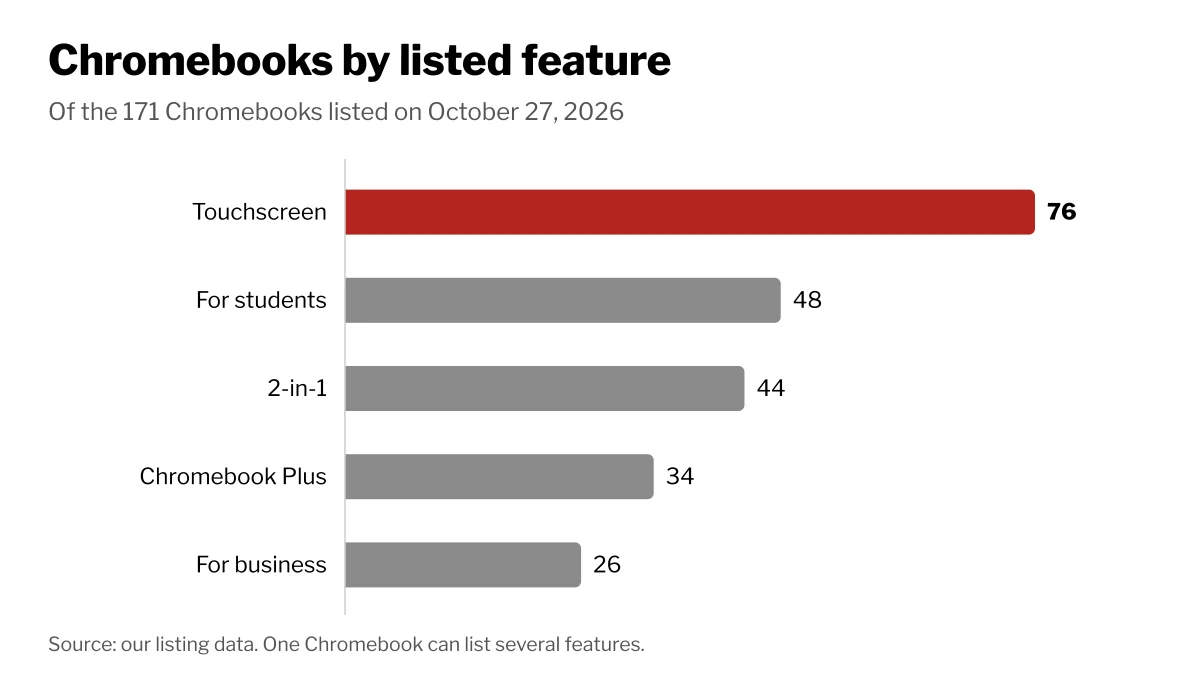
Chromebook vs Laptop and Update Dates, Explained
A Chromebook is a laptop that runs Google's ChromeOS instead of Windows or macOS, works through web and often Android apps, and gets updates to a listed date.

Data Center GPUs vs Gaming GPUs
Data center GPUs such as the NVIDIA H100 trade display outputs and fans for more memory, ECC and server cooling; gaming cards like the RTX 4090 drive monitors.
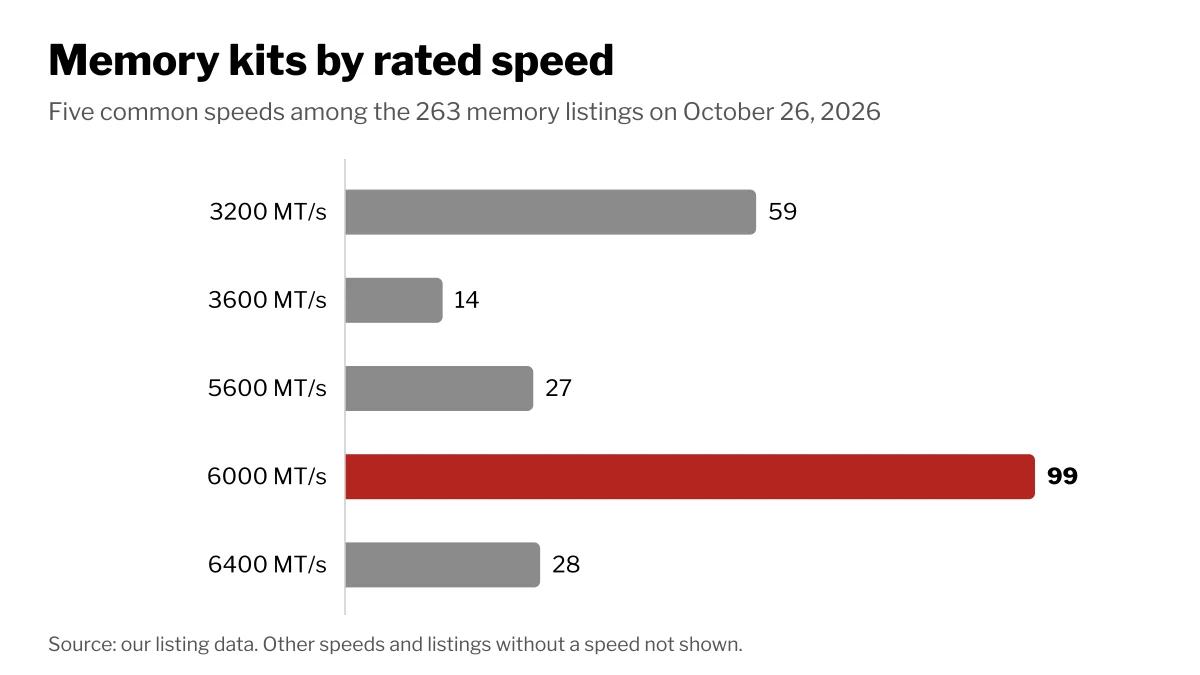
DDR4 vs DDR5 RAM: Speed, Latency and Fit
DDR5 runs at higher transfer rates and lower voltage than DDR4, but the two are not interchangeable; your motherboard and CPU decide which one you can use.

Desktop Processors: Cores, Sockets and Model Names
A desktop processor must match your motherboard's socket first; then the tier, the core count and the letters ending the model name tell you what you get.

Docking Stations: USB-C vs Thunderbolt, Explained
USB-C is the plug shape, and Thunderbolt and USB4 are the links behind it; a Thunderbolt dock guarantees more bandwidth, while plain USB-C docks vary more.
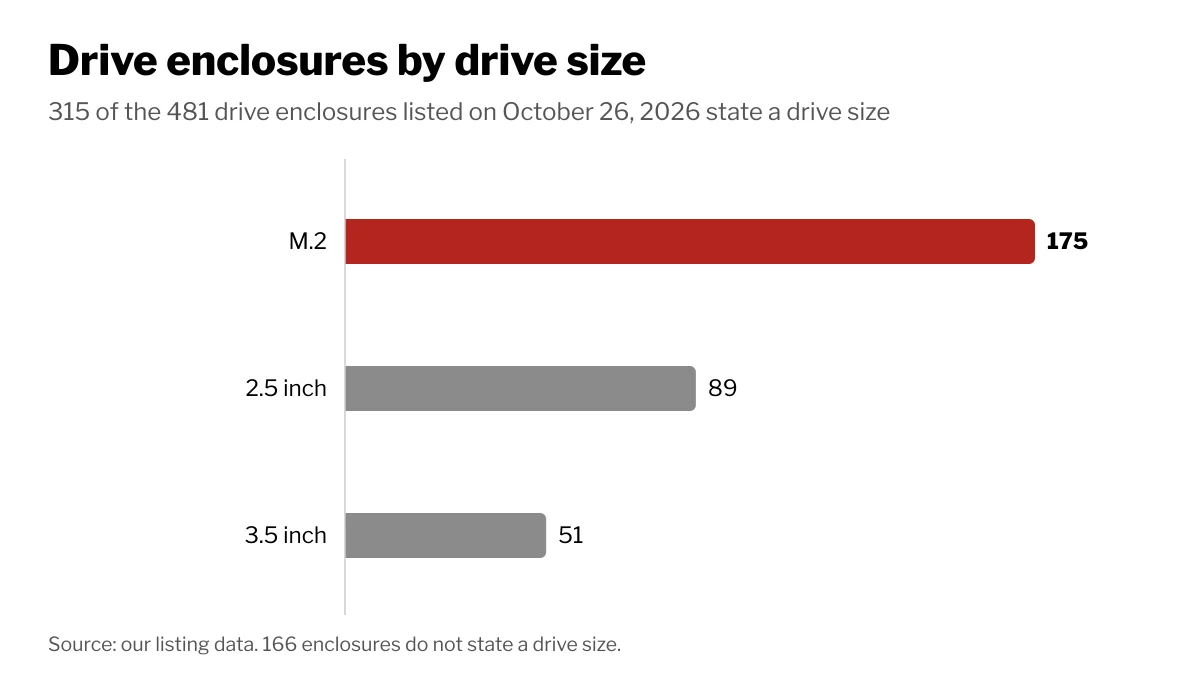
Drive Enclosures: 2.5 vs 3.5 Inch and NVMe
A drive enclosure turns an internal drive into an external one; match it to the drive's size and interface, and pick a link speed the drive can actually use.
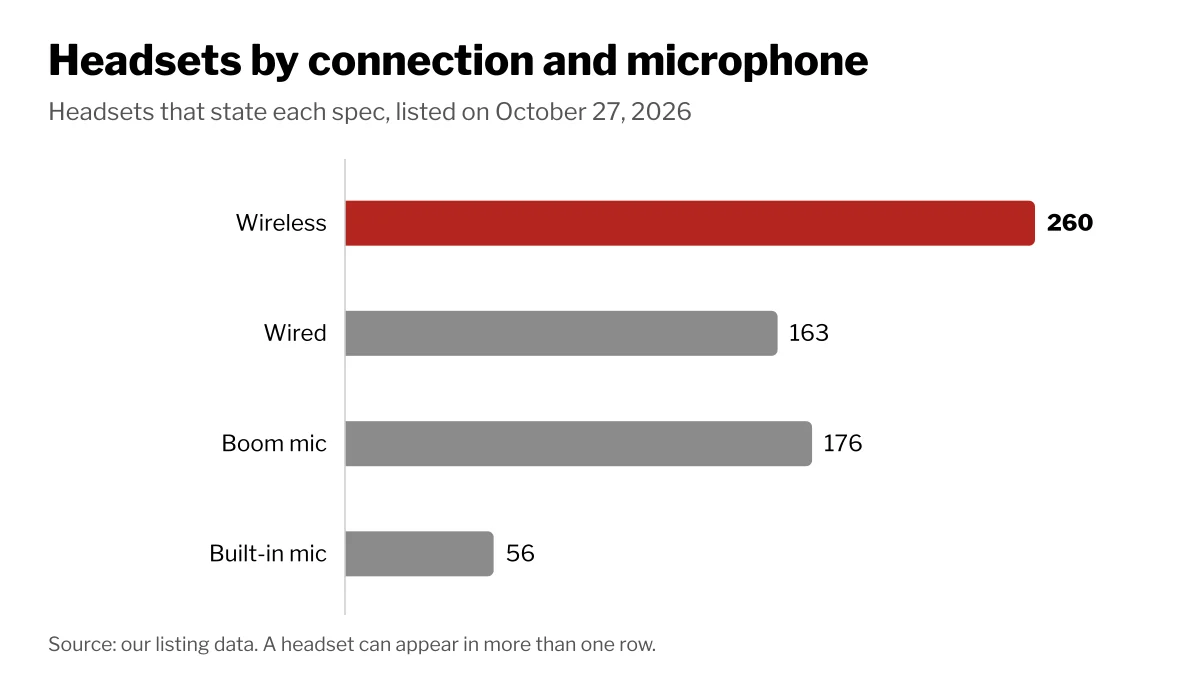
Gaming Headsets: Wired vs Wireless and Mic Types
A wired headset needs no charging, a wireless one runs on a battery over a USB receiver or Bluetooth, and the mic style decides how clearly others hear you.
HDMI Cable Versions: 2.0 vs 2.1 and Labels
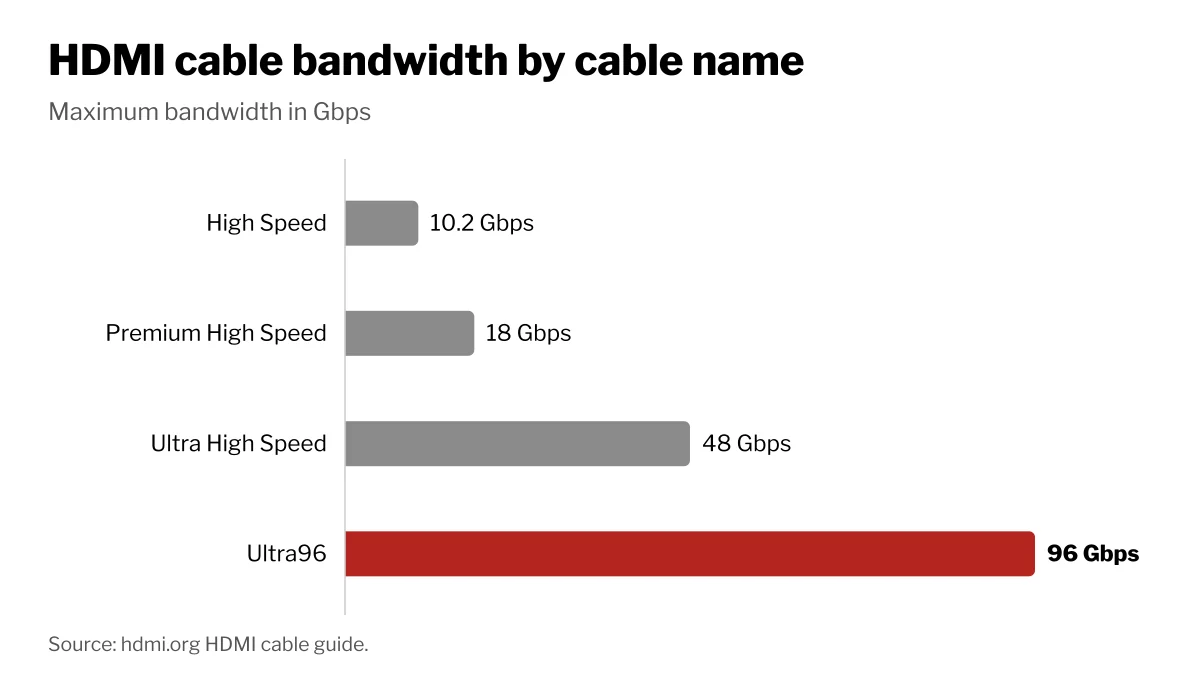
HDMI cables are not sold by version number; for HDMI 2.1 features like 4K at 120Hz or 8K at 60Hz, buy a certified Ultra High Speed HDMI Cable, rated to 48Gbps.

HDR10 vs Dolby Vision vs HDR10+, Explained
HDR10 is the base format every HDR TV plays, while Dolby Vision and HDR10+ add scene by scene instructions; the TV, player and show must share a format.

How to Choose a Tablet
Pick the app ecosystem first, then the screen size, storage and whether you need cellular data, a pen or a keyboard; the rest follows from how you will use it.
KVM Switches, Explained
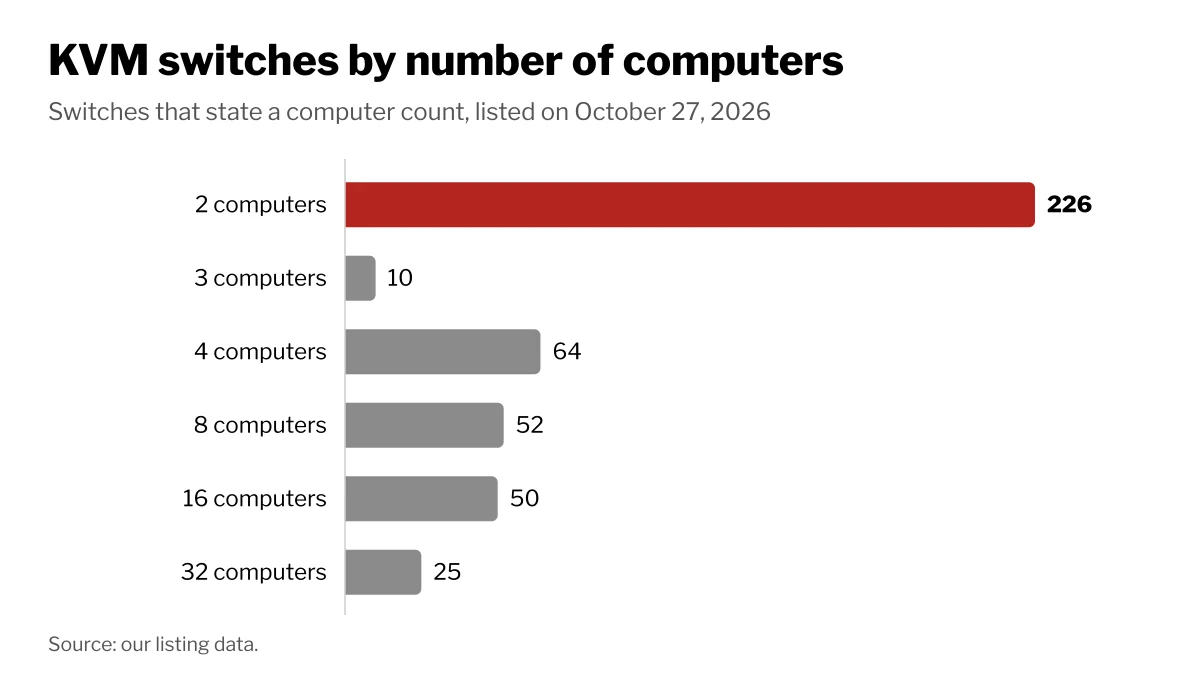
A KVM switch lets one keyboard, monitor and mouse control two or more computers; match its port count, video link, resolution and refresh rate to your setup.

Marine Autopilots: Tiller vs Wheel vs Inboard
A tiller pilot pushes a sailboat's tiller, a wheel pilot turns the wheel, and an inboard drive works below deck on larger, heavier boats.

Mesh Wi-Fi vs a Single Router
A single router covers a home from one spot, while mesh spreads several units under one network name; mesh suits larger or multi-story homes.

Network Card Speeds: 1GbE vs 2.5GbE vs 10GbE
A 1GbE card fits most home internet plans, 2.5GbE runs faster over Cat5e or Cat6, and 10GbE pays off for NAS and workstation transfers.

PC Case Sizes: Full Tower vs Mid Tower vs Mini
A mid tower fits a standard ATX board and suits most builds, a full tower adds room for big boards and cooling, and small cases trade space for size.
PDU Types: Basic vs Metered vs Switched
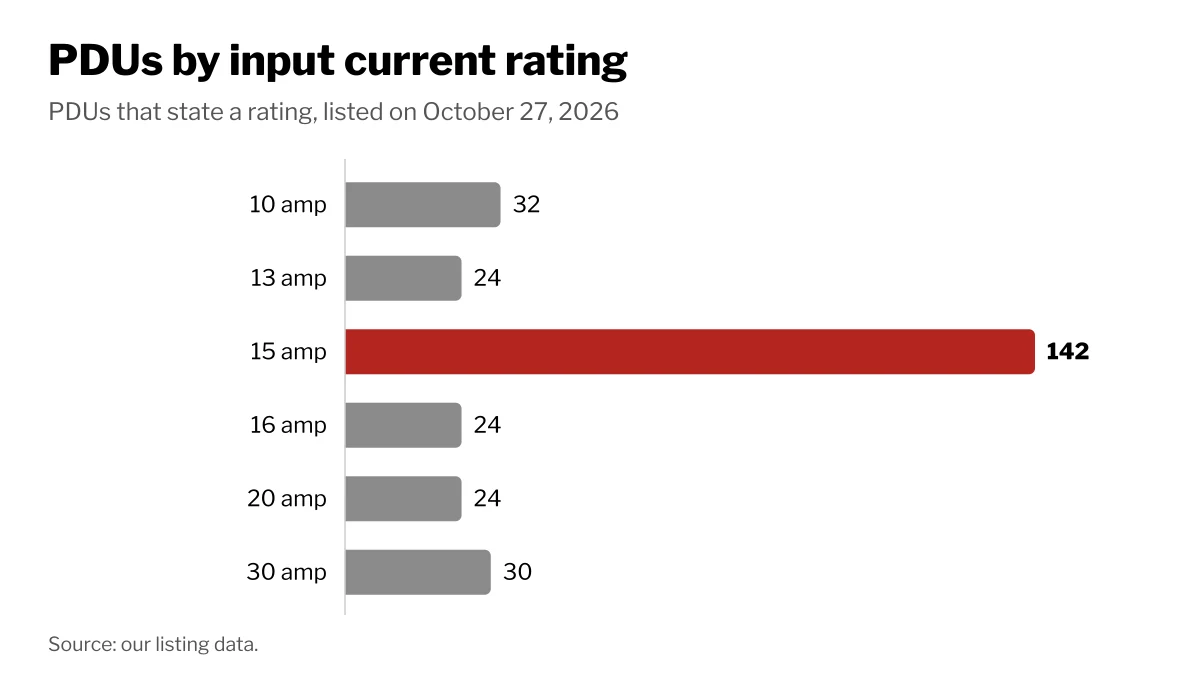
A basic PDU adds outlets, a metered PDU shows the load, a monitored PDU reports over the network, and a switched PDU turns outlets on and off remotely.

Projector Lumens and Throw Ratio, Explained
Lumens tell you how bright a projector is, and the throw ratio how far from the screen it sits; divide the distance by the image width to get it.
PSU Wattage and 80 Plus Ratings, Explained
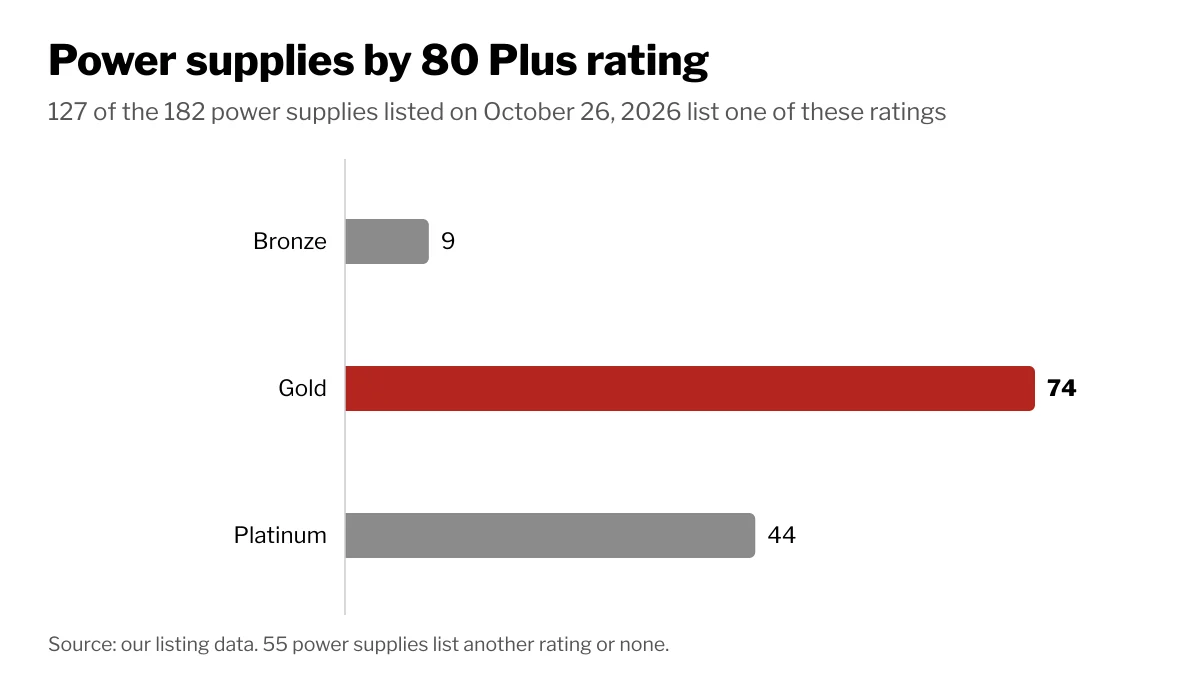
Wattage is how much power a PC power supply delivers, while an 80 Plus rating such as Gold says how efficiently it does it; they are separate choices.
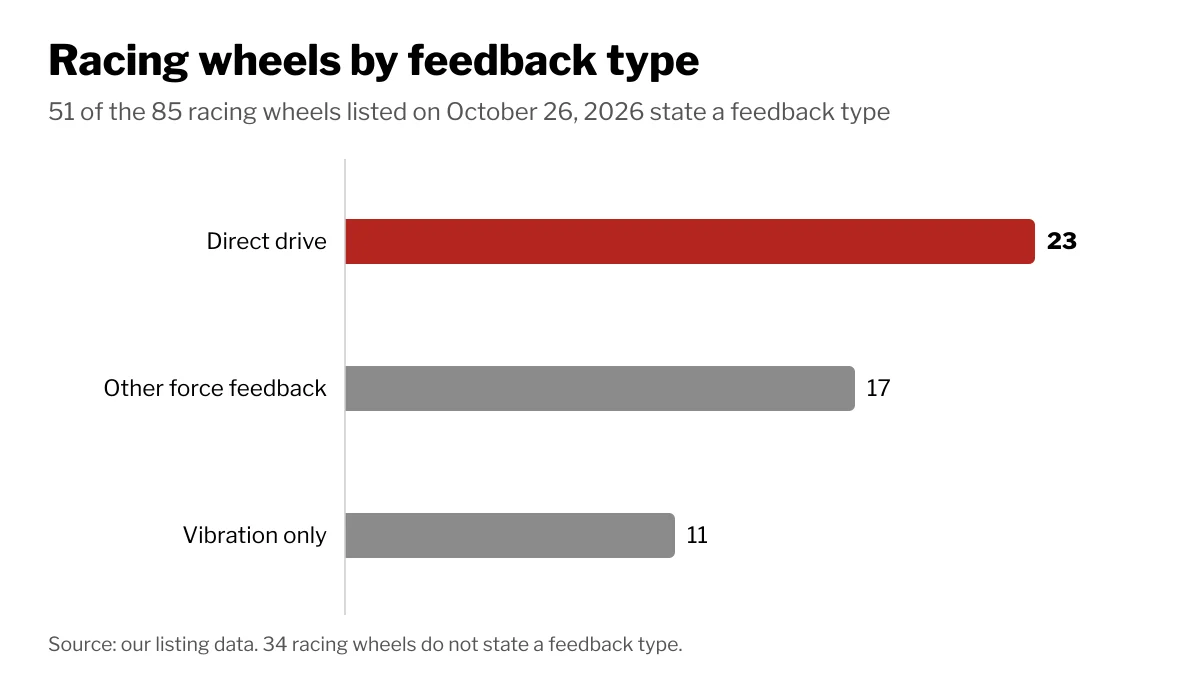
Racing Wheels: Gear vs Belt vs Direct Drive
A gear driven wheel is the cheapest, a belt driven wheel is smoother, and a direct drive wheel bolts the rim to a large motor for the strongest feedback.

RAID Card vs HBA: Which You Need
A RAID card builds drive volumes on its own chip, while an HBA just connects drives and lets the OS or ZFS manage them; ZFS systems call for an HBA.
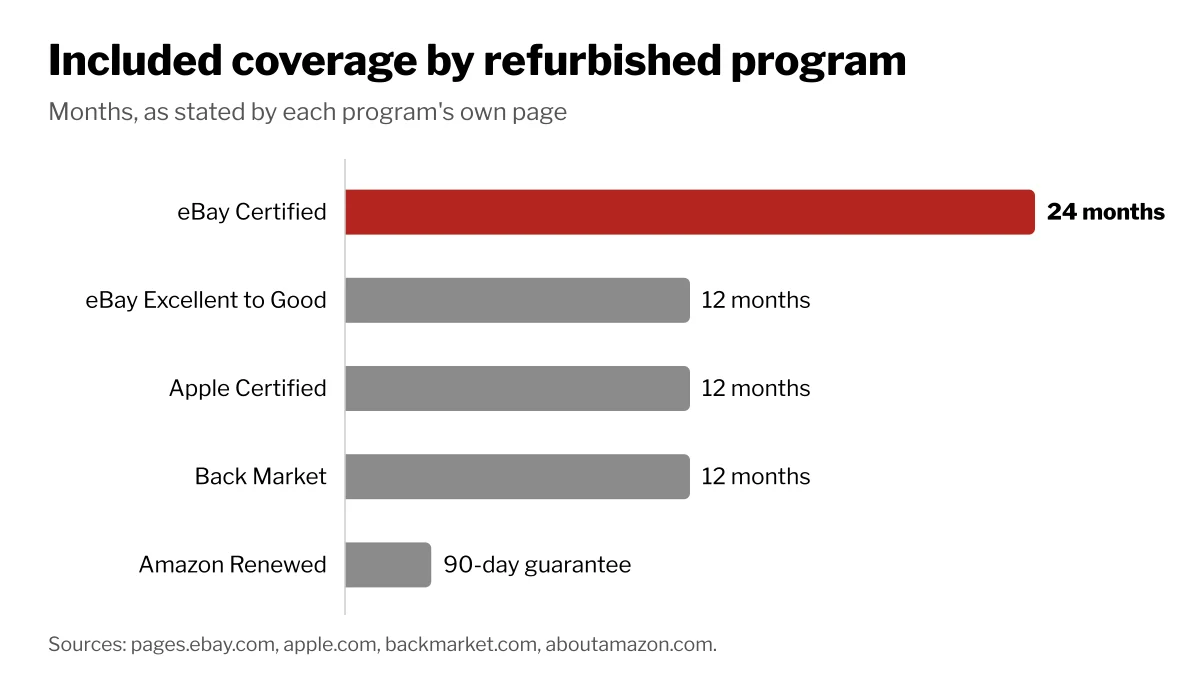
Refurbished Grades and Labels, Explained
Refurbished grades describe looks, not how a device works; each seller sets its own names, so compare the wording, battery rule, warranty and return window.
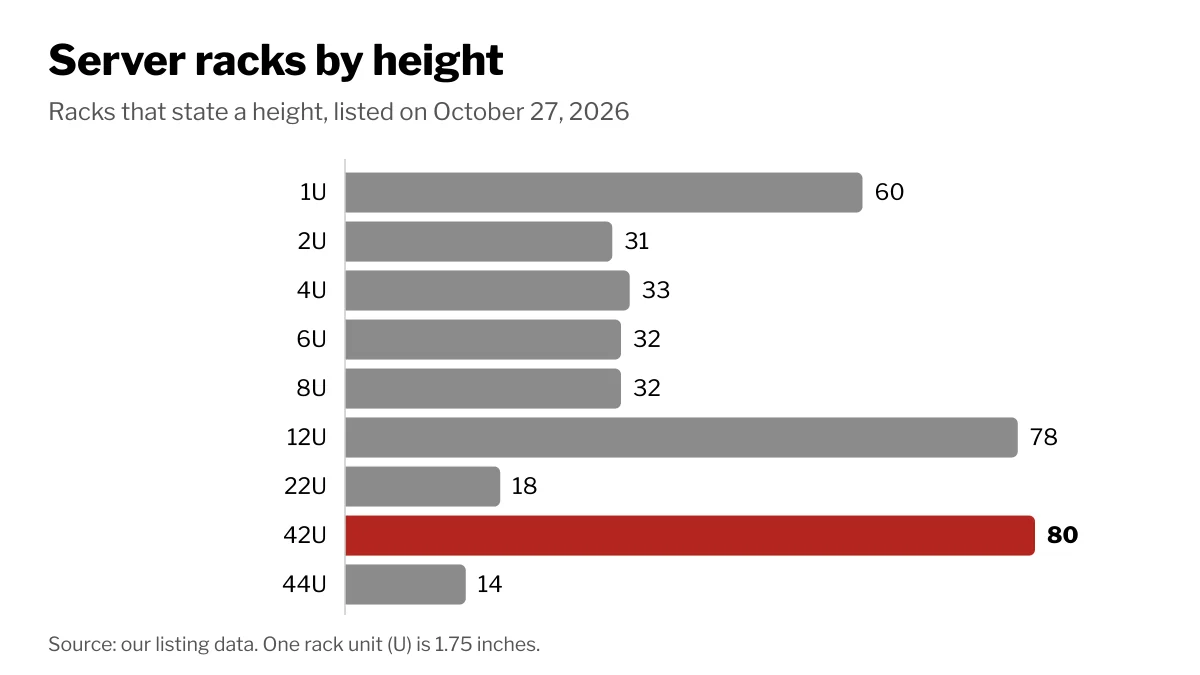
Server Rack Sizes: Rack Units, Depth and 42U
Rack height is counted in rack units (U) of 1.75 inches, the standard rack is 19 inches wide, and 42U is the common full-height cabinet; depth varies.

SFP vs SFP+ vs QSFP Transceivers, Explained
SFP modules carry 1 Gbps, SFP+ 10 Gbps and SFP28 25 Gbps in the same small cage, while the wider QSFP family bundles four lanes for 40, 100 Gbps and more.